Blog
The cleaning industry has evolved dramatically from simple soap-and-water routines to a sophisticated field that intersects chemistry, microbiology, environmental science, and regulatory compliance. Whether you’re managing a commercial facility, running a cleaning business, or seeking to professionalize your approach, understanding the foundational principles behind effective cleaning is no longer optional—it’s essential for protecting health, meeting legal requirements, and delivering measurable results.
This comprehensive resource connects the core disciplines that define modern professional cleaning: from selecting certified green products and navigating Québec’s workplace safety regulations, to understanding the microbiology that makes disinfection work and adapting your maintenance schedule to Canada’s demanding seasonal cycles. Each topic builds on the others to create a holistic framework that transforms cleaning from a routine task into a strategic, knowledge-based practice.
Why Professional Cleaning Knowledge Matters Today
The gap between casual cleaning and professional-grade results lies in understanding the “why” behind every product choice and technique. Modern facilities face scrutiny from multiple angles: clients demand visible cleanliness, health authorities enforce stricter sanitation standards, and employees expect safe chemical handling practices. In Québec specifically, provincial workplace safety laws under the CNESST (Commission des normes, de l’équité, de la santé et de la sécurité du travail) require documented training and proper labeling for all cleaning chemicals used in commercial settings.
Beyond compliance, informed cleaning practices deliver tangible business advantages. Facilities that implement evidence-based cleaning protocols report fewer infection outbreaks, reduced surface damage from improper product use, and lower long-term maintenance costs. For cleaning businesses, demonstrating technical expertise through certifications and documented procedures opens doors to higher-value contracts, particularly in healthcare, food service, and LEED-certified buildings where cleaning standards directly impact facility credentials.
Green Cleaning: Certifications, Health Impact, and Client Value
The environmental cleaning movement has matured from a niche preference to a mainstream expectation, but navigating the landscape of eco-labels and green claims requires critical evaluation. Understanding which certifications carry weight—and which represent greenwashing—enables you to make informed product selections that genuinely reduce environmental and health impacts.
Understanding Eco-Certifications and Health Benefits
Third-party certifications provide independent verification that products meet specific environmental and health criteria. In the Canadian market, look for EcoLogo (now UL ECOLOGO), Green Seal, and EPA Safer Choice labels. These programs evaluate factors including ingredient toxicity, biodegradability, packaging sustainability, and manufacturing processes. Products certified under these programs must demonstrate reduced volatile organic compounds (VOCs), which directly improves indoor air quality—a critical factor in schools, healthcare facilities, and offices where occupants spend extended periods.
The health advantages extend beyond air quality. Certified products typically exclude sensitizers and carcinogens found in conventional formulations, reducing occupational exposure risks for cleaning staff who handle these chemicals daily. Recent workplace health studies indicate that switching to certified green products can decrease respiratory complaints and skin irritation among cleaning personnel by approximately 40-60%.
Transitioning to Green Products Successfully
Converting from conventional to green cleaning systems requires methodical planning rather than wholesale overnight replacement. Start by conducting a product inventory audit to identify your current chemical arsenal, then prioritize replacements based on usage volume and health risk profile. High-touch surface cleaners and daily-use products should transition first, while specialty items for infrequent deep cleaning can follow later.
Many facilities encounter performance concerns during transitions, often because green products require different application techniques. Concentrated formulations—common in eco-certified lines—demand precise dilution ratios. A dilution control system eliminates guesswork and ensures consistent results while maximizing product economy. Similarly, enzyme-based cleaners work exceptionally well on organic soils but need sufficient dwell time, unlike conventional solvents that act instantly.
Communicating Environmental Value to Clients
Environmental initiatives only create business value when clients understand their significance. Rather than vague “green cleaning” claims, quantify your impact through measurable metrics. Calculate and communicate tangible data points:
- Reduction in VOC emissions measured in kilograms per year
- Percentage of products carrying third-party certifications
- Waste diversion rates through concentrated product systems
- Contribution to LEED certification points (specifically EQ Credit 3.1 for green cleaning)
For commercial buildings pursuing LEED certification, documenting green cleaning programs can contribute multiple points across the Indoor Environmental Quality category. Maintain records of product certifications, staff training completion, and equipment specifications to support these credits.
Product Safety and Workplace Compliance in Québec
Chemical safety in the workplace isn’t merely good practice—it’s a legal requirement with serious penalties for non-compliance. Québec’s occupational health and safety framework mandates specific protocols for storing, labeling, and using cleaning chemicals, with enforcement authority resting with the CNESST.
Chemical Mixing Hazards and Concentration Guidelines
The most dangerous cleaning-related incidents typically involve incompatible chemical mixing. The classic example—combining chlorine bleach with ammonia or acidic cleaners—produces toxic chloramine gas that can cause immediate respiratory distress. Less obvious but equally hazardous: mixing hydrogen peroxide with vinegar creates corrosive peracetic acid. These reactions occur instantly upon contact, giving no warning before dangerous fumes appear.
Concentrated products offer cost savings and environmental benefits through reduced packaging and transportation impacts, but they introduce dilution accuracy challenges. A cleaning solution mixed at twice the recommended concentration doesn’t clean twice as well—it increases chemical exposure risks, potentially damages surfaces, and wastes product. Conversely, under-dilution compromises effectiveness, particularly for disinfectants where concentration directly determines pathogen kill rates.
WHMIS Requirements and Safety Data Sheets
The Workplace Hazardous Materials Information System (WHMIS) governs how hazardous products are classified, labeled, and communicated in Canadian workplaces. Under current regulations, every hazardous cleaning product must have an up-to-date Safety Data Sheet (SDS) accessible to workers in both English and French in Québec. These 16-section documents detail chemical composition, health hazards, first aid measures, and safe handling procedures.
Supplier label requirements include standardized hazard pictograms—diamond-shaped symbols indicating specific dangers like corrosivity, flammability, or aquatic toxicity. When products are transferred to secondary containers for use, workplace labels must identify the product, safe handling precautions, and reference to the SDS. Regular SDS updates occur when formulations change or new hazard information emerges; maintaining current versions is the employer’s responsibility, not the supplier’s.
Building a Safety-First Culture
Compliance documentation satisfies legal requirements, but genuine workplace safety emerges from organizational culture that prioritizes protection over speed. Practical elements of a robust safety culture include:
- Mandatory onboarding training covering WHMIS symbols, SDS navigation, and emergency procedures before any chemical handling
- Regular refresher sessions addressing near-misses and new products introduced to inventory
- Accessible personal protective equipment (PPE) with clear guidance on when specific protection is required
- Incident reporting systems that encourage transparency without punitive responses to honest mistakes
- Management participation in safety audits and training to demonstrate organizational commitment
Tackling Tough Cleaning Challenges
Certain cleaning problems appear deceptively simple but resist conventional approaches, leading to surface damage when improper solutions are attempted. Understanding the chemistry behind stubborn deposits enables effective removal without collateral harm.
Mineral Deposits and Hard Water Stains
Water hardness varies dramatically across Québec, with areas drawing from limestone aquifers experiencing significantly higher mineral content than those supplied by surface water systems. Calcium carbonate and magnesium deposits create the white, crusty buildup on faucets, showerheads, and glass surfaces that water alone cannot remove because these minerals are insoluble in neutral pH solutions.
Acidic cleaners dissolve mineral deposits by converting insoluble carbonates into soluble salts. White vinegar (acetic acid) provides a mild, inexpensive option suitable for light buildup on acid-resistant surfaces like ceramic tile and stainless steel. For heavier accumulation or faster results, specialized descalers containing citric acid, sulfamic acid, or phosphoric acid work more aggressively. However, acids attack natural stone (marble, granite, limestone), grout containing lime, and certain metal finishes—making surface compatibility verification essential before application.
The common mistake of scraping mineral deposits with metal scrapers or abrasive pads often creates permanent scratches that make future buildup worse by providing texture for deposits to grip. Chemical dissolution combined with plastic scrapers or non-abrasive pads achieves removal without damage.
Surface Protection and Prevention Strategies
Reactive cleaning addresses problems after they appear; preventive strategies stop them from forming. For mineral deposit prevention, water-repellent treatments on glass shower doors and fixtures cause water to bead and roll off, minimizing the evaporation that leaves minerals behind. Regular application of these treatments (typically every 3-6 months) dramatically reduces scrubbing time and extends surface life.
Protective measures extend beyond coatings to include process changes: switching high-traffic areas from mop-and-bucket systems to microfiber flat-mopping reduces water use and the residue that attracts new soil. Similarly, implementing walk-off mat systems that capture 80% of incoming soil before it reaches interior floors reduces the cleaning frequency required throughout the facility.
Seasonal Cleaning Planning for Canadian Climates
Canada’s dramatic seasonal shifts create distinct cleaning challenges that demand proactive planning rather than reactive responses. Québec’s climate—characterized by harsh winters with road salt exposure, spring melt bringing moisture and mud, and summer humidity—requires a strategic calendar that anticipates problems before they escalate.
Winter preparation in autumn focuses on protecting surfaces from salt damage and establishing moisture management systems. Seal concrete floors and entryways before the first snowfall, as calcium chloride and sodium chloride in de-icing products penetrate porous surfaces and cause spalling (surface flaking). Deploy absorbent entrance matting with sufficient length—research shows a minimum of 15 feet of matting is required to capture moisture and salt from footwear effectively.
Spring cleaning addresses winter damage and prepares for increased natural ventilation. Pressure-wash building exteriors to remove salt residue before it permanently etches surfaces. Deep-clean HVAC systems and replace filters before switching from heating to cooling mode. Windows and skylights accumulate months of interior condensation and exterior grime that blocks natural light—professional cleaning at this transition point maximizes daylight penetration and reduces lighting costs through summer.
Summer and autumn present opportunities for intensive projects impractical during temperature extremes. Floor stripping and refinishing work best in moderate temperatures when proper ventilation can be maintained without extreme energy costs. Exterior window cleaning, parking lot maintenance, and envelope repairs should complete before autumn rains arrive, as moisture complicates many of these processes.
The Science Behind Effective Cleaning
Moving beyond surface-level understanding to grasp the biological and chemical mechanisms underlying cleaning transforms technique from guesswork to precision. Microbiological literacy particularly impacts environments where sanitation directly affects health outcomes.
Microbiology Fundamentals for Cleaners
Visible soil removal doesn’t equate to sanitation—a surface can appear clean while harboring millions of microorganisms. Understanding microbial behavior explains why certain protocols succeed where others fail. Biofilm formation illustrates this principle: bacteria colonizing a surface secrete protective polysaccharide matrices that shield them from antimicrobial chemicals and desiccation. These invisible slime layers develop on any surface regularly exposed to moisture—drains, toilet bowls, mop heads, and cleaning tools themselves.
Mechanical action (scrubbing, agitation) disrupts biofilm structure, exposing embedded bacteria to disinfectants. This explains why “spray-and-wipe” disinfection protocols specify two-step cleaning: first remove soil and biofilm with detergent and mechanical action, then apply disinfectant to the cleaned surface. Attempting to disinfect over existing soil and biofilm reduces pathogen kill rates by 50-90% because organic matter inactivates many disinfectant chemistries.
How Enzymes and Temperature Affect Results
Enzyme-based cleaners contain biological catalysts that break down specific soil types: proteases digest proteins (blood, food), amylases target starches, and lipases decompose fats and oils. These products excel on organic soils but require time—typically 10-15 minutes of contact—for enzymatic reactions to complete. Temperature significantly impacts enzyme activity, with most formulations optimized for 20-40°C (68-104°F). Extreme heat denatures enzymes, destroying their effectiveness, while cold temperatures slow reactions dramatically.
Temperature influences cleaning beyond enzyme activity. Hot water enhances soil solubility and surfactant performance, explaining why dishwashers and laundry systems heat water. However, hot water sets protein-based stains (blood, egg) by cooking them onto surfaces—these require cold or lukewarm water treatment. Many modern cleaning formulations perform effectively in cold water, reducing energy consumption without sacrificing results when properly matched to soil type.
Regulatory Compliance and Disinfectant Selection
Disinfection represents the most regulated aspect of professional cleaning, with product efficacy claims requiring government approval and specific use protocols mandated for healthcare and food service environments.
Federal Health Standards in Canada
Health Canada regulates disinfectants as pesticides under the Pest Control Products Act, requiring manufacturers to submit efficacy data demonstrating that products kill claimed pathogens under specified conditions. This pre-market approval process distinguishes regulated disinfectants from unregulated cleaners and sanitizers, which make no pathogen-kill claims.
The Canadian Food Inspection Agency (CFIA) and provincial health authorities establish cleaning and sanitation standards for federally and provincially inspected facilities. These regulations specify approved disinfectants, contact times, and concentration ranges. Product substitutions require verification that replacements meet or exceed the antimicrobial spectrum of original specified products.
Choosing Health Canada-Approved Disinfectants
Every approved disinfectant receives a Drug Identification Number (DIN) or Natural Product Number (NPN) that appears on the product label. This number allows verification through Health Canada’s online database, confirming registration status, approved claims, and proper use instructions. Products lacking these numbers are not legally considered disinfectants in Canada, regardless of marketing claims.
Label reading reveals critical application details: pathogen kill claims (which specific bacteria, viruses, or fungi the product eliminates), required contact time (how long surfaces must remain wet), and dilution rates. A common error involves assuming all disinfectants work identically—in reality, effectiveness varies dramatically. Some products kill vegetative bacteria but not bacterial spores; others work against enveloped viruses but fail against non-enveloped types. Match the product’s proven efficacy to your specific pathogen concerns.
Format selection between liquid disinfectants and pre-saturated wipes involves tradeoffs. Wipes offer convenience and consistent dosing but generate significant waste and typically cost more per surface area treated. Liquids require proper dilution and contact time adherence but provide economy and flexibility. For large surface areas, spray-and-wipe or electrostatic application of liquid disinfectants proves more efficient and sustainable than disposable wipes.
Professional cleaning encompasses far more than removing visible dirt—it requires integrating environmental science, workplace safety, microbiology, and regulatory knowledge into daily practice. The resources outlined here provide foundational understanding across these disciplines, empowering you to make informed decisions that protect health, comply with regulations, and deliver superior results. As you deepen your expertise in specific areas, you’ll discover that each topic connects to the others, creating a comprehensive professional framework that distinguishes knowledgeable practitioners from those simply going through the motions.

Green Marketing: How to Leverage Ecological Cleaning Practices to Attract Eco-Conscious Tenants?
Effective green marketing isn’t about using eco-friendly products; it’s about proving their value to attract and retain premium tenants in the competitive Quebec market. Data is your most valuable asset: Use metrics like water savings and ATP sanitation tests to…
Read more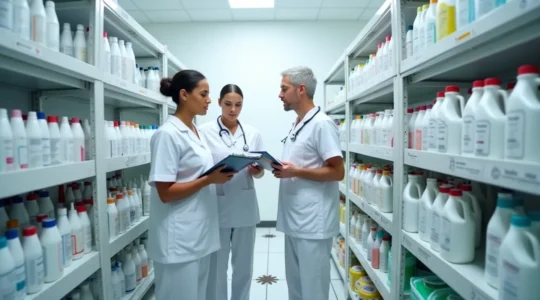
Choosing the Right DIN Disinfectant: How to Match the Product to the Pathogen?
Choosing a DIN-approved disinfectant isn’t just about compliance; it’s a strategic decision that directly impacts safety, operational costs, and equipment longevity in your Quebec facility. Match the product’s “kill claim” (bactericidal, virucidal, sporicidal) to the specific pathogen risk you are…
Read more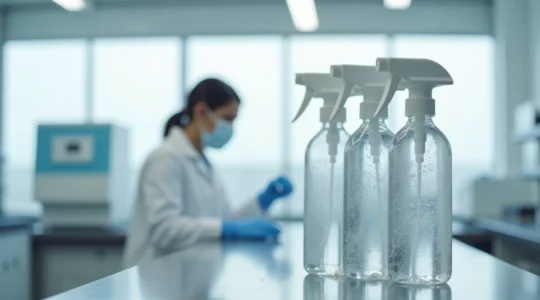
Health Canada Approved: What Does the DIN Number Actually Guarantee About a Product?
A Drug Identification Number (DIN) isn’t just a label; it’s your business’s license to operate safely and legally within Quebec’s strict regulatory environment. US-based products with only an EPA registration are not automatically legal for commercial use in Quebec and…
Read more
Biofilms Explained: Why Standard Cleaning Fails to Remove Persistent Bacterial Colonies?
Contrary to common belief, relentless scrubbing and bleach are often a waste of time and money against persistent contamination in food processing and healthcare facilities. Biofilms are not dirt; they are fortified bacterial “cities” with a protective shield that neutralizes…
Read more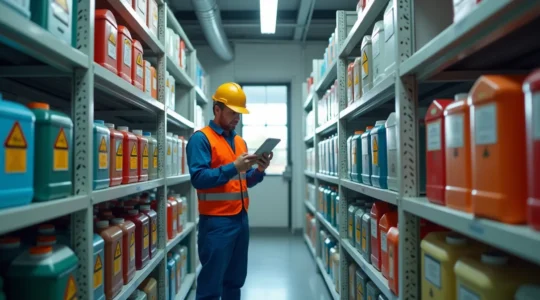
WHMIS 2015 Compliance: Is Your Cleaning Chemical Inventory Audit-Ready for CNESST?
A surprise visit from a CNESST inspector can expose hidden operational gaps in your chemical management, leading to significant fines. Improperly labelled containers and inaccessible Safety Data Sheets (SDS) are the most common and easily penalized violations. Demonstrable compliance relies…
Read more
The 4-Season Cleaning Calendar: When to Schedule Major Tasks in the Quebec Climate?
In summary: Proactive maintenance timed with Quebec’s seasons prevents costly damage from ice dams, salt corrosion, and moisture. Focus on exterior tasks before winter (gutters, drains, sealing surfaces) and interior deep cleans in summer. Certain weather events, like heavy snowfall,…
Read more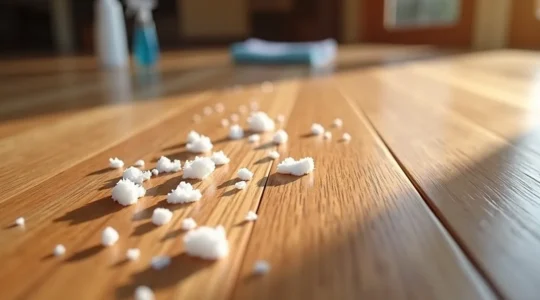
How to Remove Stubborn Calcium Deposits from Hardwood Floors Without Damaging the Varnish?
Stop reaching for the vinegar—the secret to saving your hardwood floors from winter salt damage isn’t acidity, but precise pH neutralization. Calcium chloride used in Quebec is aggressive and requires a two-step ‘dissolve and neutralize’ approach, not scrubbing. Dry removal…
Read more
Why Choosing EcoLogo Products Reduces Your Business Carbon Footprint by 30%?
Switching to EcoLogo-certified products is a direct operational upgrade for Quebec commercial buildings, capable of yielding an average net saving of over $14,000 annually. Fulfills key criteria for LEED v4.1 O+M credits in Indoor Environmental Quality (IEQ), Water Efficiency (WE),…
Read more