Building maintenance
Building maintenance represents far more than keeping spaces clean—it’s a comprehensive approach to preserving property value, ensuring occupant health, and preventing costly emergency repairs. Whether you manage a small condominium complex in Montreal or oversee a commercial high-rise in Quebec City, understanding the interconnected systems that keep buildings functional and safe is essential. Every building tells a story through its maintenance history, and that narrative directly impacts both market value and daily occupant experience.
The landscape of building maintenance has evolved significantly, moving from reactive “fix-it-when-it-breaks” approaches to strategic preventive programs that address issues before they escalate. This shift isn’t merely philosophical—it’s economical. Property managers and building owners across Quebec increasingly recognize that systematic maintenance reduces long-term costs while extending equipment lifespan and improving tenant satisfaction. This comprehensive overview explores the critical systems, methodologies, and challenges that define modern building maintenance.
The Foundation: Preventive vs Reactive Maintenance
The choice between preventive and reactive maintenance fundamentally shapes your building’s operational costs and longevity. Reactive maintenance—responding only when something breaks—might seem budget-friendly in the short term, but it typically costs 3 to 4 times more over a building’s lifecycle. Equipment failures occur at inconvenient times, often causing collateral damage and disrupting occupants.
Preventive maintenance operates on a different philosophy: scheduled inspections, systematic cleaning, and component replacements based on manufacturer recommendations rather than failure points. Consider a commercial HVAC system in a Quebec office building. Reactive maintenance means waiting for the heating to fail during a February cold snap, leaving tenants uncomfortable and potentially causing pipe freeze damage. Preventive maintenance involves quarterly filter changes, annual professional inspections, and cleaning cycles that keep the system running efficiently through harsh winters.
The financial argument becomes clear when examining real-world scenarios. A neglected roof drainage system might seem fine until spring thaw reveals ice dam damage requiring $15,000 in repairs. Regular gutter cleaning and drainage inspection—costing perhaps $500 annually—prevents this scenario entirely. This principle applies across building systems: elevators, plumbing, electrical, and structural elements all benefit from scheduled attention rather than crisis intervention.
Exterior Building Envelope: Your First Line of Defense
Your building’s exterior faces constant assault from Quebec’s challenging climate—freeze-thaw cycles, UV radiation, wind-driven rain, and dramatic temperature fluctuations. The building envelope isn’t just aesthetic; it’s a protective barrier that determines energy efficiency, structural integrity, and interior comfort.
Facade Inspection and Degradation Prevention
Facade degradation follows predictable patterns, yet many property managers overlook early warning signs. Efflorescence (white salt deposits on masonry), hairline cracks, and mortar deterioration indicate moisture infiltration—problems that worsen exponentially when ignored. In Quebec’s climate, water enters small cracks, freezes, expands, and creates larger fissures in an accelerating cycle.
A systematic inspection methodology should include semi-annual visual assessments focusing on:
- Mortar joint condition and brick spalling
- Window and door seal integrity
- Caulking deterioration around penetrations
- Staining patterns indicating water intrusion paths
- Balcony and terrace waterproofing condition
Professional facade inspections typically cost $1,500-$3,000 for mid-size buildings but identify issues while repairs remain minor and affordable. Addressing repointing needs in a localized area might cost $2,000, whereas waiting until widespread brick damage occurs could require $40,000 in reconstruction.
Drainage Systems: A Critical Oversight
Neglected drainage systems rank among the most common—and most expensive—maintenance oversights. Roof drains, gutters, downspouts, and perimeter drainage all require regular attention. A single clogged roof drain can pond water, accelerate membrane degradation, and eventually cause interior leaks affecting multiple floors below.
Implement a drainage maintenance schedule that includes debris removal after fall leaf drop, spring inspection following snowmelt, and verification that water flows away from the foundation. For buildings with internal roof drains, professional camera inspection every few years identifies blockages before they cause problems.
HVAC and Indoor Air Quality Management
HVAC systems represent the respiratory system of your building, directly impacting occupant health, comfort, and energy costs. These systems accumulate contaminants over time—dust, pollen, mold spores, and in some cases, construction debris from renovations.
Air Duct Cleaning and Energy Efficiency
Air duct contamination creates two distinct problems: reduced energy efficiency from restricted airflow and compromised indoor air quality. The National Air Duct Cleaners Association recommends inspection every two years and cleaning when visible contamination exists or following construction work that generates dust.
Quebec buildings face particular challenges during heating season when forced-air systems run continuously for months. Contaminated ducts recirculate allergens and particulates throughout occupied spaces. Professional duct cleaning using certified methods—typically involving high-powered vacuums and rotating brushes—removes accumulated debris and can improve system efficiency by 15-20%.
The debate between robotic and manual cleaning approaches often arises. Robotic systems excel at documenting duct condition through video inspection, while manual methods provide more aggressive cleaning for heavily contaminated systems. The best approach depends on your specific system configuration and contamination level.
Dryer Vent Maintenance
In multi-unit residential buildings, dryer vents present serious fire safety and efficiency concerns. Lint accumulation restricts airflow, forcing dryers to run longer and creating ignition hazards. Canadian fire services report hundreds of dryer-related fires annually, many stemming from inadequate vent maintenance.
Dryer vent cleaning should occur annually in residential buildings, more frequently in high-use commercial laundry facilities. Professional cleaning removes lint buildup that normal operation doesn’t clear, reducing drying times, lowering energy costs, and eliminating fire risk.
Multi-Unit Building Responsibilities and Common Areas
Condominium and multi-unit residential buildings present unique maintenance challenges centered on shared responsibilities and common areas. Confusion about “who cleans what” frequently triggers neighborhood conflicts and delays necessary maintenance.
Defining Cleaning Responsibilities in Condominiums
Quebec’s Civil Code establishes the framework for divided co-ownership, but individual declarations of co-ownership specify maintenance responsibilities. Typically, unit owners maintain their private portions while the syndicate handles common areas—but the boundary isn’t always clear.
Who cleans balcony drains? What about windows—interior, exterior, or both? Entry door maintenance? These questions require explicit answers in building documents. Well-managed properties create detailed responsibility matrices that eliminate ambiguity:
- Private responsibility: Unit interiors, appliances, private balcony surfaces
- Common responsibility: Hallways, lobbies, exterior facades, structural elements, shared mechanical systems
- Shared responsibility: Windows (owner cleans interior, syndicate handles exterior), certain balcony elements
Annual communication to residents outlining these divisions prevents conflicts and ensures nothing falls through maintenance gaps. Consider creating a visual diagram showing responsibility boundaries—particularly valuable in newer communities where owners may be unfamiliar with condo living.
Managing Shared Spaces Effectively
Common areas like lobbies, hallways, fitness rooms, and parking garages require systematic attention. These spaces form first impressions for visitors and directly impact resident satisfaction and property values. Yet they’re also prone to clutter accumulation, inconsistent cleaning, and deferred maintenance.
Implement a rotation system for deep cleaning that supplements daily maintenance. While high-traffic areas receive daily attention, establish monthly or quarterly schedules for carpet shampooing, hard floor refinishing, and thorough fixture cleaning. Fire safety compliance demands particular attention—ensure exit paths remain clear, fire extinguishers receive annual inspections, and smoke detectors function properly.
Managing Large Commercial Buildings Strategically
Large commercial properties—office towers, shopping centers, institutional buildings—require sophisticated maintenance management that balances quality, cost, and minimal operational disruption. The stakes are high: tenant retention, lease rates, and asset value all depend on maintenance excellence.
Staff turnover plagues the cleaning and maintenance industry, averaging 200% annually in some markets. This instability disrupts service quality and increases training costs. Successful building managers address this through competitive compensation, clear advancement paths, and recognition programs that value experienced staff.
Quality control methodologies separate exceptional buildings from average ones. Implement systematic inspection protocols using digital checklists rather than paper forms—mobile apps enable real-time reporting, photo documentation, and immediate issue flagging. Establish non-negotiable control points: entrance areas, elevator cabs, washrooms, and tenant-facing spaces receive daily verification.
Contract structures significantly impact service quality and cost efficiency. Compare traditional time-and-materials contracts with performance-based agreements that tie compensation to measurable outcomes. Performance contracts incentivize efficiency and quality but require robust metrics and inspection systems. Many Quebec property managers find hybrid approaches work best—base service levels on fixed fees with performance bonuses for exceptional results.
Insurance coverage deserves careful attention. Verify that maintenance contractors carry adequate liability coverage and workers’ compensation insurance. A contractor’s insurance lapse could expose building owners to substantial liability if an accident occurs during cleaning operations.
Specialized Care for High-End Materials and Decorative Elements
Luxury residential buildings and upscale commercial properties feature materials requiring specialized knowledge: marble floors, crystal chandeliers, decorative metalwork, velvet furnishings, and custom millwork. Standard cleaning approaches can damage these elements, diminishing both appearance and value.
Tarnishing affects brass, copper, and silver decorative elements through oxidation—a natural chemical process accelerated by handling, humidity, and air pollutants. Different metals require specific polishes: products formulated for brass may damage silver. Always test cleaning products on inconspicuous areas before full application.
Chandelier cleaning exemplifies the complexity of high-end maintenance. Crystals accumulate dust and airborne oils that diminish light output by 30% or more. Professional chandelier cleaning involves carefully removing and cleaning each crystal component—a meticulous process requiring specialized knowledge of antique fixture construction. Annual chandelier maintenance maintains optimal lighting while preventing damage from amateur attempts.
Velvet and other delicate fabrics demand particular caution. Water-based cleaners can leave permanent marks on velvet; proper maintenance requires specialized dry-cleaning solvents and brushing techniques. When furnishing luxury spaces, request manufacturer care instructions and share them with maintenance staff to prevent expensive mistakes.
Quality Control and Sanitary Standards
Visual cleanliness doesn’t guarantee sanitary conditions—surfaces can appear clean while harboring harmful bacteria. This gap between appearance and hygiene reality leads to what industry professionals call “cleaner’s blindness”—the tendency to overlook areas that look acceptable but fail sanitary standards.
ATP (Adenosine Triphosphate) testing provides objective measurement of surface cleanliness by detecting organic matter. A handheld ATP meter gives instant readings indicating whether surfaces meet sanitary benchmarks. High-risk areas like food preparation surfaces, healthcare facilities, and childcare centers particularly benefit from ATP verification.
Establish critical control points requiring regular sanitary verification:
- High-touch surfaces (door handles, elevator buttons, handrails)
- Washroom fixtures and surfaces
- Food contact surfaces in common kitchenettes
- Fitness equipment in shared gyms
Digital inspection tools have revolutionized quality control. Mobile apps enable inspectors to photograph issues, timestamp observations, and route work orders directly to responsible staff. This transparency creates accountability while building historical data that identifies recurring problems requiring systematic solutions rather than repeated fixes.
Structured feedback systems close the quality control loop. Anonymous tenant feedback mechanisms—digital surveys or suggestion boxes—reveal issues that might not reach management through formal channels. Review feedback quarterly to identify patterns and adjust maintenance protocols accordingly.
Winter Maintenance Challenges in Quebec
Quebec’s harsh winters present unique building maintenance challenges that property managers in milder climates never face. From November through March, buildings endure freeze-thaw cycles, road salt contamination, tracked-in snow and sand, and dramatically increased heating system demands.
Microscopic abrasion from winter sand and salt damages floor finishes more severely than months of normal traffic. These tiny particles act like sandpaper under foot traffic, scratching protective floor coatings and embedding in carpet fibers. The solution involves layered defense: outdoor entrance matting systems that capture the majority of contaminants before they enter, frequent vacuuming to remove particles before they’re ground into surfaces, and protective floor treatments that withstand seasonal abuse.
Invest in commercial-grade scraper mats for exterior entrances and absorbent mats for interior transitions. The rule of thumb suggests 15 feet of total matting—enough walking distance to remove most tracked-in contaminants. This investment protects expensive interior flooring from accelerated wear.
Increase vacuum frequency during winter months—high-traffic commercial buildings may require multiple daily passes rather than once-daily cleaning. Fine sand particles aren’t always visible but cause continuous damage until removed.
Avoid acidic cleaning products on natural stone and concrete during winter. Salt residue already stresses these materials; acidic cleaners compound the damage. Use pH-neutral cleaners specifically formulated for salt removal, followed by thorough rinsing to prevent residue buildup.
Post-winter restoration should be scheduled annually. Professional floor refinishing, stone polishing, and carpet deep-cleaning reverse winter damage and prepare surfaces for another seasonal cycle. This proactive restoration costs significantly less than premature floor replacement from accumulated neglect.
Sustainable Building Maintenance Practices
Environmental sustainability has transitioned from optional preference to essential practice in building maintenance. Forward-thinking property managers recognize that sustainable approaches often deliver better results while reducing costs and environmental impact.
Plastic pollution from single-use cleaning products—bottles, trigger sprayers, and packaging—represents a significant waste stream. Concentrated cleaning solutions with automatic dosing systems eliminate this waste while ensuring proper dilution ratios. These systems connect to water supplies and dispense precisely measured chemical amounts, preventing the common problems of over-dilution (ineffective cleaning) and under-dilution (product waste and potential surface damage).
The reusable versus disposable debate extends beyond environmental considerations to performance factors. Microfiber cleaning cloths, when properly laundered, outperform disposable paper products while eliminating ongoing purchase costs. A single quality microfiber mop pad withstands hundreds of launderings and captures particulates more effectively than disposable alternatives.
Bulk purchasing requires strategic thinking. While buying in bulk reduces packaging waste and per-unit costs, excessive quantities of certain products create problems. Cleaning chemicals have shelf lives—effectiveness degrades over time, particularly once containers are opened. Purchase frequently-used items like neutral cleaners in bulk, but specialty products in smaller quantities matching actual usage rates.
Implement comprehensive recycling programs that extend beyond basic paper and containers. Many building components—light bulbs, batteries, electronic waste, metal fixtures—require specialized recycling. Partner with certified recycling services that handle these materials properly, ensuring compliance with Quebec’s environmental regulations and diverting waste from landfills.
Building maintenance excellence emerges from understanding that every system connects to others—facade condition affects energy efficiency, HVAC cleanliness impacts occupant health, and quality control systems determine overall program success. Whether you’re responsible for a small residential property or a large commercial complex, systematic preventive maintenance protects your investment while creating healthier, more valuable spaces. The practices outlined here provide a framework for developing comprehensive maintenance programs tailored to your specific building’s needs and Quebec’s unique environmental challenges.
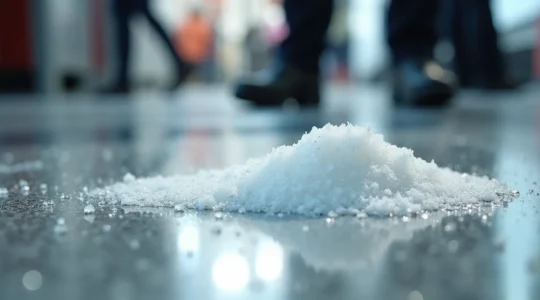
The Sandpaper Effect: How Winter Salt Crystals Destroy Commercial Flooring Finishes?
The dull, lifeless look of your commercial floors in winter isn’t just from salt stains; it’s the result of the “Sandpaper Effect.” Each footstep grinds tiny, sharp salt and sand crystals into your floor’s finish, acting like microscopic cutting tools….
Read more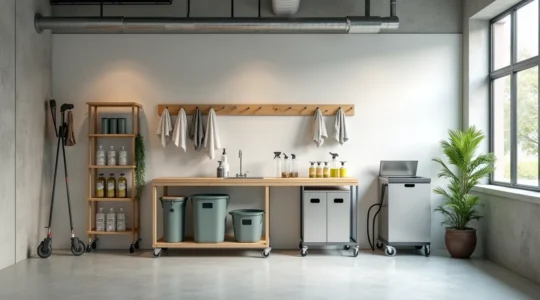
Beyond the Blue Bin: Your Guide to Zero-Waste Building Maintenance in Quebec
Achieving zero-waste certification in Quebec is a strategic operational upgrade that cuts costs, not a budget line item. Implementing systems like dilution control and just-in-time inventory slashes chemical and plastic waste while reducing financial liabilities. Training cleaning staff with RECYC-QUÉBEC…
Read more
How to Manage Cleaning Disputes in Shared Common Areas of Triplexes and Small Condos?
The constant arguments over hallway cleaning in your triplex aren’t a sign of bad tenants, but of a broken system. Effective management relies on proactive systems that minimize friction, not reactive rules that cause it. Clear, non-negotiable standards based on…
Read more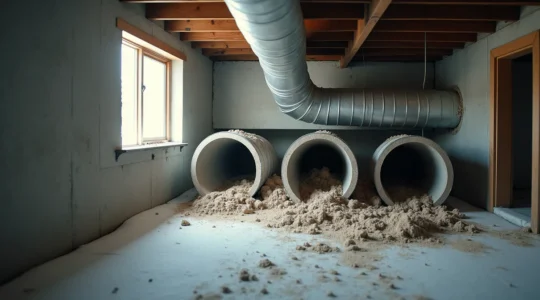
Why Dirty HVAC Ducts Increase Your Winter Heating Bills by Over 10%?
For a building manager, a dirty HVAC system is not a cleaning issue; it is a quantifiable financial liability that directly inflates your energy budget and degrades your asset. Dust accumulation on coils creates thermal resistance, forcing your system to…
Read more
How to Conduct a Sanitary Inspection in a Commercial Building in Under 30 Minutes?
In summary: Stop relying on simple visual checks, which are flawed by cognitive biases like “inattentional blindness.” Adopt a system of “pattern interrupts” by varying inspection routes and times to see what your team is missing. Use scientific tools like…
Read more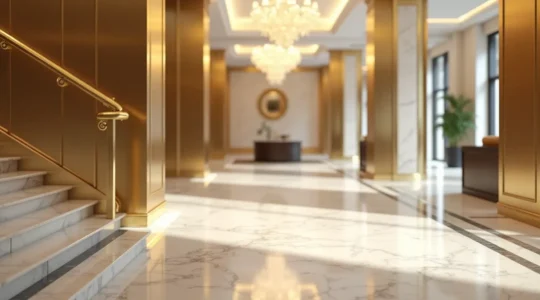
Preserving Aesthetic Integrity: How Meticulous Care of Brass and Marble Elevates the Luxury Guest Experience
In luxury hospitality, the perception of value is tied to the pristine condition of your aesthetic assets; their preservation is a direct driver of guest satisfaction and return on investment. Material-specific, pH-neutral methods are essential to prevent irreversible damage to…
Read more
In-House Staff vs Outsourced Cleaning: Which Model Offers Better ROI for Buildings Over 20 Units?
The decision between in-house and outsourced cleaning isn’t a simple cost comparison; it’s a strategic choice to mitigate significant hidden liabilities. Outsourcing shifts the burden of high staff turnover, training, and CNESST compliance. A flat-rate contract with a precise Scope…
Read more
Condo Living: What Cleaning Responsibilities Fall on the Owner vs the Syndicate in Quebec?
As a new condo owner in Quebec, the line between your cleaning duties and the syndicate’s can seem blurry, leading to potential disputes and unexpected costs. This guide moves beyond the basics of your Declaration of Co-ownership. It provides a…
Read more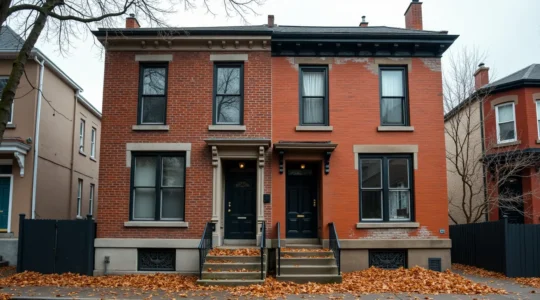
Why Neglecting Exterior Maintenance Devalues Your Montreal Property by up to 15%?
A documented exterior maintenance plan is not merely a cost, but a financial instrument that can prevent a valuation loss of up to 15% on your Montreal property. It actively mitigates structural damage from Quebec’s harsh freeze-thaw cycles and corrosive…
Read more