Commercial cleaning
Commercial cleaning represents far more than maintaining appearances in your business. It’s a critical intersection of employee health, legal liability, regulatory compliance, and operational efficiency. In Quebec’s diverse commercial landscape—from downtown Montreal office towers to industrial facilities in Laval and food processing plants across the province—the stakes are remarkably high. A single slip-and-fall incident can trigger lawsuits, while inadequate sanitation can result in failed inspections and substantial fines from provincial authorities.
What distinguishes truly effective commercial cleaning from basic maintenance? The answer lies in understanding the specific challenges of your environment, implementing systematic protocols, and navigating the complex web of Canadian safety regulations. This resource explores the fundamental aspects every facility manager, business owner, and operations director should master to create spaces that protect both people and your organization’s reputation.
Why Commercial Cleaning Matters for Your Business
The visible impact of commercial cleaning is obvious—sparkling lobbies create positive first impressions, while cluttered reception areas drive clients away. But the invisible consequences matter even more. Poor air quality from inadequate dusting affects employee productivity and increases sick days. Studies consistently show that workers in well-maintained environments report fewer health complaints and demonstrate higher engagement levels.
Consider shared electronics like keyboards, photocopiers, and door handles. These high-touch surfaces harbor bacteria and viruses that spread rapidly through offices. During flu season, a single contaminated surface can trigger an outbreak affecting dozens of employees. The financial impact extends beyond cleaning costs—lost productivity, replacement staff, and potential workers’ compensation claims create cascading expenses.
Beyond health considerations, Quebec businesses face strict regulatory requirements. The Commission des normes, de l’équité, de la santé et de la sécurité du travail (CNESST) enforces workplace safety standards that include cleanliness protocols. Non-compliance doesn’t just risk fines; it exposes your organization to increased liability in accident claims. When incidents occur, inspectors scrutinize your maintenance records, and gaps in documentation can transform a minor accident into a major legal problem.
Understanding Different Commercial Environments
Not all commercial spaces face identical cleaning challenges. Each environment type demands specialized approaches, equipment, and expertise.
Office Spaces and Corporate Settings
Modern offices present unique challenges centered on occupant density and technology. The debate between day cleaning versus night cleaning continues to evolve. Day cleaning offers better accountability and supervision—you can immediately address concerns and verify quality. However, it disrupts workflow and requires careful coordination to avoid interrupting meetings or disturbing concentrated work.
Night cleaning eliminates disruption but creates supervision challenges and may increase security concerns. Many Quebec organizations now adopt hybrid models, performing noisy tasks like vacuuming after hours while handling waste removal, surface wiping, and washroom maintenance during business hours. The key is matching your cleaning schedule to your specific operational patterns and employee preferences.
Industrial and Heavy-Duty Facilities
Warehouses, manufacturing plants, and distribution centers face challenges that dwarf typical office cleaning. High-bay areas with ceilings exceeding 30 feet require specialized equipment and trained personnel comfortable working at heights. Hydraulic failures from accumulated dust and debris can halt production lines, creating costly downtime.
Floor cleaning in industrial settings must account for heavy machinery traffic, pallet movement, and potential chemical spills. Different flooring materials—polished concrete, epoxy coatings, or industrial tiles—each require specific cleaning methods and products. Circulation aisles demand particular attention; debris in these pathways creates hazards for both forklift operators and foot traffic.
Food Service and Processing Areas
Food-related facilities operate under the most stringent cleaning requirements. The Canadian Food Inspection Agency (CFIA) and Quebec’s Ministry of Agriculture establish detailed protocols for food safety. Here, cleaning transcends aesthetics—it’s about preventing contamination that could sicken consumers and destroy your business.
Chemical contamination represents a critical risk. Using incorrect concentrations, failing to rinse properly, or applying products not approved for food-contact surfaces can leave harmful residues. Temperature control matters too—water that’s too cold fails to sanitize effectively, while excessive heat can create hazardous steam or damage sensitive surfaces. Testing concentration levels with proper measurement tools isn’t optional; it’s essential for both safety and regulatory compliance.
Floor Safety: Your First Line of Defense Against Liability
Slip-and-fall accidents account for a significant portion of workplace injuries and generate substantial legal claims. Understanding and controlling floor safety requires systematic attention to multiple factors.
Common Slip and Fall Hazards
The notorious “slippery film” that appears on freshly cleaned floors often results from improper product dilution or inadequate rinsing. When cleaning solutions aren’t mixed according to manufacturer specifications, residue accumulates with each cleaning cycle, creating increasingly hazardous conditions. This problem intensifies in high-traffic areas where dirt combines with cleaning residue to form a slick layer.
Weather presents seasonal challenges in Quebec. Winter months bring snow, ice, and salt tracked into entryways, creating wet, slippery conditions. Entrance matting systems provide the first defense, but they require frequent maintenance during harsh weather. The transition zones between different flooring types—from tile to carpet, or wet areas to dry—create particular risks where users don’t anticipate surface changes.
Anti-Slip Treatments and Safety Equipment
Multiple approaches exist for improving floor traction. Anti-slip coatings chemically modify floor surfaces to increase friction, while treatments can be applied to existing floors without replacement. Each option offers different performance characteristics:
- Topical coatings: Provide immediate improvement but require periodic reapplication and may affect floor appearance
- Etching treatments: Permanently alter surface texture but cannot be reversed if results are unsatisfactory
- Walk-off mats: Capture moisture and debris at entry points but need regular cleaning and replacement
- Air movers and dryers: Accelerate floor drying after cleaning but add equipment costs and noise
Friction testing using standardized measurement tools provides objective data about floor safety. These tests generate numerical coefficients that can be compared against safety thresholds recommended by Canadian standards. Regular testing creates documentation demonstrating your proactive safety efforts.
Documentation and Legal Protection
Many businesses overlook the critical importance of maintaining detailed cleaning and incident logs. When accidents occur, your records become crucial evidence. A comprehensive registry should document cleaning schedules, products used, staff training, and any incidents or near-misses. This documentation proves you maintained reasonable care and implemented appropriate safety measures.
Employee footwear programs represent another often-neglected safety layer. Providing or requiring slip-resistant footwear for staff significantly reduces incident rates, particularly in wet environments like commercial kitchens or food processing areas.
Navigating Quebec’s Safety and Compliance Standards
Quebec’s regulatory environment for commercial cleaning combines provincial and municipal requirements, creating a complex compliance landscape.
Provincial Regulations and Training Requirements
The CNESST mandates specific training for workers handling cleaning chemicals and operating specialized equipment. Mandatory training programs must cover hazard identification, proper product handling, emergency response procedures, and equipment operation. These aren’t one-time requirements—refresher training and updates for new products or procedures ensure ongoing compliance.
Frequent fines typically stem from predictable violations: inadequate training documentation, improper equipment usage, or failure to provide appropriate personal protective equipment. Understanding common citation triggers helps you proactively address vulnerabilities before inspections occur. Municipal bylaws may add additional requirements, particularly for waste management and disposal procedures, creating variation between Montreal, Quebec City, and smaller municipalities.
Proper Storage of Hazardous Cleaning Products
Chemical storage errors create both safety hazards and compliance violations. Provincial regulations specify requirements for:
- Segregating incompatible chemicals to prevent dangerous reactions
- Maintaining proper ventilation in storage areas to prevent toxic accumulations
- Securing products to prevent unauthorized access or accidental spills
- Posting Safety Data Sheets (SDS) in accessible locations for all stored chemicals
- Implementing spill containment measures and maintaining cleanup supplies
Maintaining an updated accident registry isn’t just good practice—it’s legally required. This log must record all incidents, including minor ones that don’t result in lost time. Patterns in your registry can reveal systemic problems requiring intervention before serious injuries occur.
Building Systematic Cleaning Operations
Inconsistent cleaning results typically stem from operational chaos rather than staff incompetence. Think of systematic cleaning like a restaurant kitchen—without standardized recipes and procedures, every dish tastes different. Your cleaning operations require the same methodical approach.
Task prioritization prevents the common trap of spending excessive time on visible areas while neglecting critical zones. High-traffic washrooms, food preparation surfaces, and safety-critical floor areas demand more frequent attention than executive offices or storage rooms. Developing zone-based cleaning frequencies ensures resources align with actual needs.
Product dilution errors waste money and compromise results. Concentrated cleaners cost less per use but only when properly diluted. Too weak, and they fail to clean effectively, requiring repeated applications. Too strong, and you waste product, potentially damage surfaces, and increase residue problems. Dilution control systems—from simple measuring cups to automated dispensers—eliminate guesswork and ensure consistency.
Optimizing cleaning cart organization sounds trivial but dramatically affects efficiency. Well-organized carts reduce time spent searching for supplies, minimize trips back to storage areas, and ensure staff always have necessary tools available. Standardizing cart setup across your facility creates consistency and simplifies training for new employees.
Selecting the Right Commercial Cleaning Partner
Many businesses eventually recognize that outsourcing commercial cleaning delivers better results than managing in-house teams. However, selecting the wrong partner creates worse problems than you started with.
Contract failures and service terminations usually trace to unclear specifications rather than poor performance. When your expectations exist only verbally or in vague terms, disappointment becomes inevitable. Detailed specifications should outline exact tasks, frequencies, quality standards, and verification methods. What does “clean” mean for your lobby floor? What constitutes acceptable restroom cleanliness? Defining these standards prevents disputes.
Background verification for cleaning staff protects your business from theft, vandalism, and liability. Reputable companies conduct criminal background checks, verify employment history, and confirm proper immigration status. Ask specifically about their screening procedures and request proof of insurance coverage—both liability and workers’ compensation. Uninsured contractors expose you to significant risk if workers are injured on your property.
The franchise versus independent provider debate involves tradeoffs. Franchise operations offer brand consistency, established systems, and corporate oversight, but typically charge premium rates. Independent companies may provide more personalized service and competitive pricing but lack extensive support infrastructure. Your choice should align with your priorities—do you value proven systems and easy replacement if issues arise, or prefer relationship-driven service and cost efficiency?
Value optimization requires looking beyond hourly rates. The cheapest provider often delivers poor results, requiring costly corrections or eventual replacement. Evaluate total cost of ownership: service quality, supply costs (if you provide them), management time spent on oversight, and incident rates. A moderately priced service delivering consistent results with minimal supervision often costs less than bargain providers requiring constant attention.
Commercial cleaning excellence doesn’t happen accidentally—it results from understanding your specific environment, implementing proven systems, ensuring regulatory compliance, and partnering with qualified professionals. Whether you manage cleaning internally or outsource to specialists, the fundamental principles remain constant: systematic approaches, proper training, quality documentation, and unwavering attention to safety. Your investment in effective commercial cleaning protects employee health, reduces liability exposure, ensures regulatory compliance, and creates environments where both staff and clients thrive.

Passing Your MAPAQ Inspection: The 5 Critical Violations I Always Looked For in Quebec Restaurants
Most restaurant owners think passing a hygiene inspection is about frantic, last-minute cleaning. They are wrong. From my years as an inspector in Quebec, I can tell you it’s about avoiding specific red flags that signal a deep, systemic failure…
Read more
Food-Safe Sanitizers in Quebec: How to Comply with MAPAQ Without Contaminating Food?
Restaurateurs and food producers in Quebec face hefty MAPAQ fines not from malice, but from common, misunderstood details about sanitization. Believing you are compliant while making critical errors in dilution, temperature, or testing is a costly risk. This guide moves…
Read more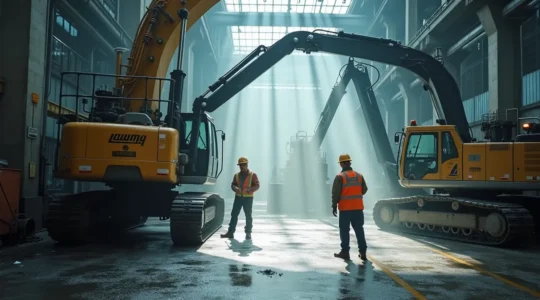
Degreasing Heavy Machinery: A Reliability Engineer’s Guide for Quebec Plants
For Quebec’s manufacturing plants, unplanned downtime is rarely an equipment problem—it’s a contamination control failure. Microscopic contaminants (silica, moisture), not just visible grease, are the primary cause of hydraulic failures. Adapting protocols to Quebec’s unique environment (winter cold, summer humidity,…
Read more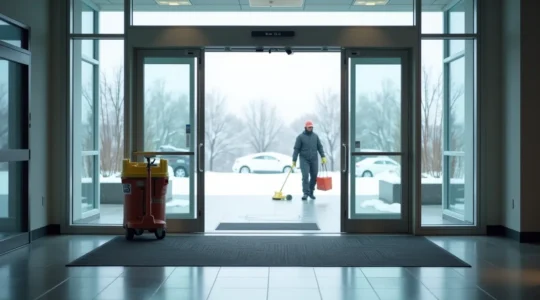
How to Reduce Slip-and-Fall Liability Claims in Quebec Commercial Spaces During Winter?
The greatest liability risk for Quebec businesses in winter isn’t the visible slush, but the invisible, slippery chemical film left behind by ice melters and improper cleaning. Standard mopping often fails to neutralize salt residues, creating a persistent slip hazard…
Read more
What Criteria Should You Prioritize When Hiring Janitorial Services for a Medical Clinic in Montreal?
Selecting a janitorial service for a Montreal medical clinic is a matter of risk management, not just cleaning. Compliance with Quebec’s specific security, linguistic, and safety (CNESST) laws is non-negotiable. Contract clarity, from scope of work to billing models, is…
Read more
Designing a Routine Cleaning Checklist to Reduce Staff Overtime by 15%
Persistent staff overtime is not a personnel problem; it’s a system problem caused by hidden waste in your cleaning routines. Wasted motion from backtracking and inefficient routing can account for up to 20% of a cleaner’s shift. Standardizing tools, chemicals,…
Read more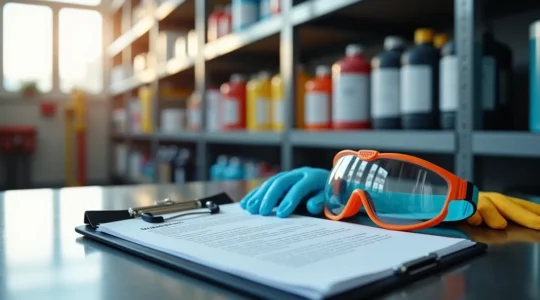
CNESST Compliance: Is Your Cleaning Contractor Exposing Your Business to Fines?
Your legal responsibility for workplace safety in Quebec doesn’t end when you hire a cleaning contractor; it just becomes a shared liability that can expose your business to significant risk. The CNESST holds you, the business owner, accountable for your…
Read more
Preventing Slips and Falls: What Are Your Legal Obligations for Floor Maintenance in Quebec?
Contrary to common belief, your greatest slip-and-fall liability in Quebec isn’t a visible spill, but the invisible, slippery film left by incorrect cleaning products and methods. Standard “rinse-free” detergents can build up residue, drastically lowering floor friction and failing critical…
Read more
How Daily Office Sanitation Protocols Influence Client Perception in Financial Firms
For a financial firm, office sanitation is not an expense; it is a critical, non-verbal signal of your operational diligence and a core component of brand integrity. Poor hygiene, even if invisible, directly undermines the subconscious trust clients place in…
Read more