
You’ve decided recurring professional cleaning makes sense for your household. There will be no more guilt-fueled Sunday cleaning marathons and no more dust accumulating while you juggle work and family commitments. But now you’re staring at three frequency options, each with different price tags, and the question lands heavy: weekly, bi-weekly, or monthly?
If you’re worried about choosing the wrong frequency and either wasting money on unnecessary visits or ending up with inadequate coverage that leaves you stress-cleaning between appointments, you’re asking the right questions. The decision isn’t really about what you can afford or what feels socially acceptable—it’s about matching service frequency to your household’s actual activity level, occupancy patterns, and lifestyle realities.
This guide analyzes the objective factors that determine the optimal rhythm for your home maintenance. To achieve a consistently pristine environment, many homeowners integrate professional cleaning services in Mississauga into their monthly routine, ensuring that hygiene standards remain high without exhausting personal time. This strategic delegation allows families to focus on their core commitments while specialists handle the complexities of surface sanitization and allergen control through systematic protocols.
What recurring house cleaning actually means (and why frequency matters)
Recurring house cleaning operates on a scheduled maintenance model : your cleaning professional visits on a predictable rhythm, whether that’s every week, every two weeks, or once a month, performing a consistent set of tasks each time. This differs fundamentally from one-time deep cleaning, which tackles built-up grime, neglected corners, and intensive projects like baseboard scrubbing or inside-oven cleaning all in a single marathon session.
Think of recurring cleaning as preventive maintenance rather than emergency intervention. Just as you wouldn’t wait until your car breaks down to service it, recurring visits keep your home at a consistent baseline rather than letting dirt and clutter accumulate until a major cleanup becomes necessary. Each visit focuses on maintaining that baseline—vacuuming high-traffic areas, wiping down bathrooms and kitchens, dusting surfaces, and managing the daily wear that active households generate.
Frequency matters because it directly determines three things: how much dirt and clutter accumulate between visits, how much self-maintenance you’re responsible for in the interim, and how efficiently your cleaning budget translates into lived-in cleanliness. Choose too infrequent a schedule for your household’s activity level, and you’ll find yourself doing heavy cleaning between professional visits, negating much of the time-saving benefit. Choose more frequent service than your household generates mess, and you’re paying for work that isn’t really necessary yet.
The key distinction to understand upfront: maintenance cleaning during recurring visits isn’t the same as deep cleaning. Your cleaner will vacuum, mop, dust, sanitize bathrooms, wipe down kitchen surfaces, and keep things tidy—but tasks like washing baseboards, cleaning inside the refrigerator, or detailing window tracks typically happen on a rotating basis or as add-on services, not every single visit. Setting this expectation now prevents disappointment later.
Who benefits most from weekly cleaning schedules?
Weekly cleaning isn’t exclusively for large families or high-income households—it’s for households where daily activity levels generate enough mess and dirt that waiting two weeks would mean living with accumulating clutter or doing substantial cleaning work yourself in between professional visits.
Consider whether your situation matches these scenarios: families with young children who track outdoor dirt inside daily, leave toys and craft supplies scattered, and generate constant laundry and dish flow; households with multiple pets whose fur, dander, and tracked litter or mud demand frequent vacuuming and floor washing; dual-income households where both adults work long hours or have GTA commutes, leaving minimal weekend energy for cleaning; anyone with allergies or asthma who benefits from frequent dust and allergen removal. The Canadian Lung Association recommends vacuuming carpets and washing floors at least weekly to reduce pet allergens—for households meeting that profile, professional weekly service delivers that standard without demanding your time.
Weekly cleaning visits typically cover core maintenance tasks every session: vacuuming all floors and area rugs, mopping hard surfaces, cleaning and sanitizing bathrooms (toilets, sinks, showers, mirrors), wiping down kitchen counters and appliances, dusting furniture and accessible surfaces, emptying trash, and tidying visible clutter. Some services rotate deeper tasks—baseboards one week, interior windows the next—but the foundation remains consistent.
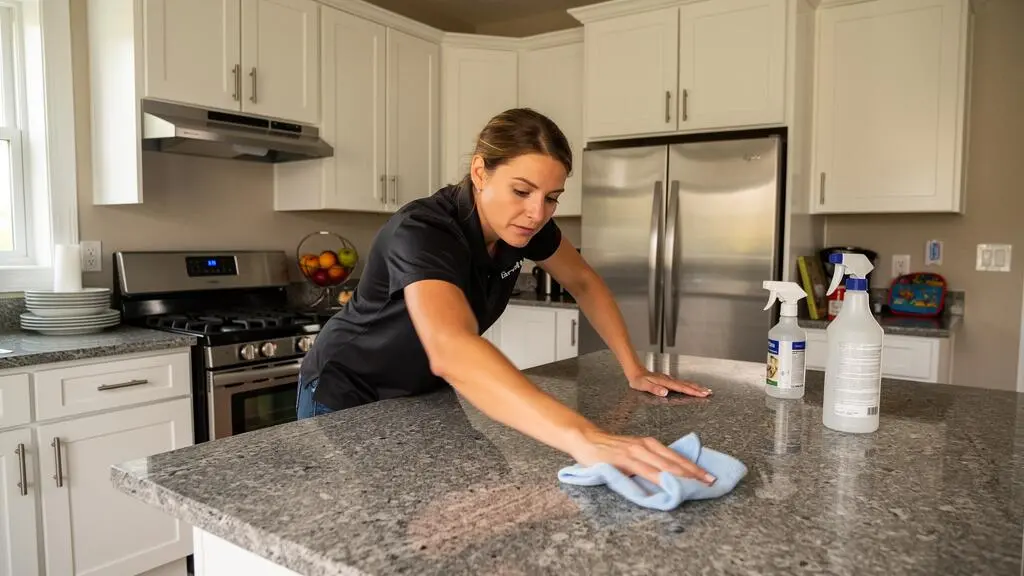
Here’s the reframe that matters: weekly isn’t extravagant if your household genuinely generates a week’s worth of mess. A family of four with two dogs and kids in sports doesn’t have the same dirt-accumulation rate as a single professional who eats most meals out. Activity level, not income or home size, drives the need. If you’re currently spending three to four hours every weekend cleaning just to maintain basic tidiness, weekly professional service reclaims that time at a cost many Mississauga households find worthwhile.
Mississauga Pricing Context: For cleaning services in Mississauga, rates typically start around $43.78 per hour per cleaner. A standard weekly cleaning session for a three-bedroom townhouse generally takes two to three hours, translating to roughly $87 to $131 per visit before any applicable discounts. Many providers offer reduced rates for recurring clients or new-client promotions, making weekly service more accessible than one-time pricing suggests.
The cost-benefit calculus shifts when you consider what you’re purchasing: not just a clean home, but reclaimed weekend hours, reduced stress, and the ability to spend family time on activities that matter rather than scrubbing bathrooms. For households where both adults work full-time—and according to Statistics Canada data, many younger dual-earner couples face significant time pressure. This trade-off often justifies the investment.
Bi-weekly cleaning: The balance point for most busy households
Bi-weekly cleaning, defined as service every two weeks, occupies the sweet spot for many Mississauga households because it delivers consistent professional maintenance without requiring the budget commitment of weekly visits, while still preventing the heavy dirt accumulation that monthly schedules allow.
This frequency works well for moderate-sized households with manageable activity levels: families of three or four without pets, or with a single low-shedding pet; couples or small families where at least one person has some availability for light tidying between professional visits; households that generate regular mess but not the constant high-traffic chaos that demands weekly intervention. If your home gets noticeably dusty and cluttered over two weeks but doesn’t become unmanageable, bi-weekly likely matches your reality.
What makes bi-weekly effective is strategic task rotation. Core maintenance happens every visit—bathrooms cleaned, kitchen surfaces wiped, floors vacuumed and mopped, general dusting, trash removal—but deeper tasks rotate on a schedule. One visit might include detailed baseboard cleaning and interior window wiping; the next focuses on appliance exteriors and ceiling fan dusting. Over a month, your home receives comprehensive coverage without requiring marathon sessions each time.
The trade-off: you’ll need to handle light maintenance between visits. That means quick countertop wipe-downs after cooking, spot-cleaning bathroom sinks and mirrors mid-week, staying on top of dishes and laundry, and doing a fast vacuum or sweep of high-traffic areas if crumbs or pet hair accumulate. For many households, this amounts to 30 to 45 minutes of upkeep spread across the two-week interval—manageable compared to multi-hour weekend cleaning sessions, but not a completely hands-off solution.
Bi-weekly pricing typically matches weekly hourly rates but with half the frequency, meaning your monthly cost sits roughly midway between weekly and monthly service. Using the Mississauga baseline of approximately $87 to $131 per session, bi-weekly service translates to around $174 to $262 monthly for a standard home. This cost-benefit ratio appeals to households seeking professional help without stretching their budget to weekly coverage.
Pattern-match this scenario: a family of three in a Meadowvale townhouse, both parents working full-time with one occasional work-from-home day, one school-age child, no pets. The home accumulates normal lived-in mess—kitchen splatters, bathroom soap scum, dust on surfaces, scattered toys—but doesn’t generate the relentless dirt flow of a larger or pet-owning household. Bi-weekly professional cleaning keeps the baseline tidy, and the parents handle quick tidying and dish management between visits. They reclaim most of their weekends while staying within a reasonable service budget.
Monthly cleaning: When less frequent service makes sense
Monthly cleaning works—and works well—for specific household profiles, but it’s important to be realistic about when it’s genuinely sufficient versus when it’s a budget-driven compromise that will leave you frustrated.
Monthly service makes sense for single professionals or couples in condos or small homes who maintain naturally tidy habits, spend limited time at home due to travel or long work hours, generate minimal daily mess, and have the time and willingness to handle most routine cleaning themselves. It also suits retirees or empty-nesters in smaller spaces who keep up with daily tidying but appreciate a monthly deep-clean refresh to tackle tasks like floor mopping, bathroom scrubbing, and thorough dusting that become physically demanding.
In these scenarios, monthly professional cleaning functions as a supplement to your own maintenance routine rather than your primary cleaning solution. You’re handling the day-to-day upkeep—wiping counters, vacuuming, quick bathroom cleaning, managing clutter—and the monthly visit provides a thorough reset that catches what you’ve missed or tasks you’d rather outsource.
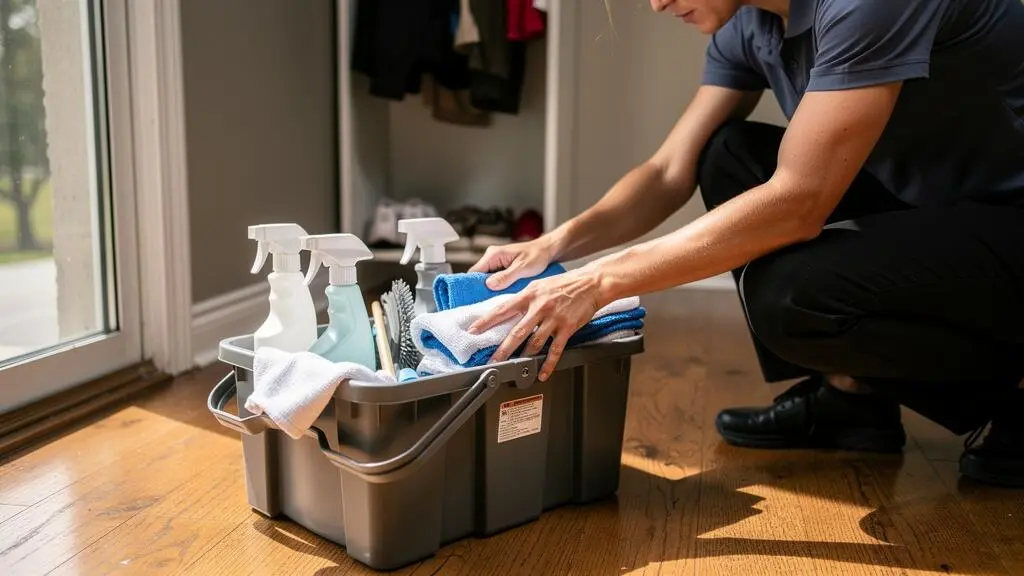
Monthly falls short for active families with children, households with pets, busy dual-income couples with minimal free time, or anyone who struggles to keep up with routine cleaning between professional visits. If you’re choosing monthly primarily because of budget constraints while your household generates bi-weekly levels of mess, you’ll likely find yourself doing substantial cleaning work in the three-week gaps—negating much of the time-saving benefit you sought by hiring help in the first place.
Be honest with yourself about the self-maintenance burden. A month between professional cleanings means you’re responsible for all vacuuming, mopping, bathroom cleaning, kitchen maintenance, and dusting for three to four weeks straight. For households already overwhelmed by cleaning demands, monthly service provides occasional relief but doesn’t solve the underlying time-scarcity problem.
Consider this cautionary scenario: a family of four with two kids under ten and a dog attempts monthly service to stay within budget. Within ten days, pet hair accumulates on floors and furniture, bathroom soap scum builds up, kitchen surfaces need constant attention, and the parents find themselves doing nearly as much cleaning as before—just with a monthly professional deep-clean they barely notice against the daily chaos. Switching to bi-weekly would better match their household’s needs, even if it requires adjusting the budget elsewhere.
Monthly pricing follows the same hourly structure as other frequencies, but sessions may run slightly longer since more dirt and grime accumulate over four weeks. Expect similar per-visit costs to bi-weekly sessions, resulting in monthly service expenses roughly one-quarter to one-third of weekly service—a meaningful budget difference, but only valuable if the frequency genuinely suits your household pattern.
How to choose the right frequency for your household
The right frequency isn’t what your neighbor chooses, what fits most comfortably in your budget, or what feels least indulgent—it’s the schedule that matches your household’s actual dirt-generation rate and your available capacity for self-maintenance between professional visits.
Start by assessing these objective factors:
- Household size and occupancy: How many people live in your home full-time? More occupants typically means more mess, more bathroom use, more kitchen activity, and faster dirt accumulation.
- Pets: Each pet—especially dogs and cats—multiplies cleaning demands through shedding, tracked dirt, litter scatter, dander, and accidents. Two pets often generate more than double the cleaning work of one.
- Daily activity level: Do you have young children bringing outdoor dirt inside, playing with messy materials, and scattering toys? Do family members work from home, using the kitchen and bathrooms throughout the day? Or is your home largely empty during work and school hours?
- Health considerations: Do household members have allergies, asthma, or sensitivities that benefit from frequent dust and allergen removal?
- Time availability: Honestly assess how many hours per week you currently spend cleaning, and how many hours you realistically have available for light maintenance between professional visits.
- Budget range: Determine what you can comfortably allocate monthly to cleaning services without financial stress.
Now work through these guiding questions to narrow your choice:
If you stopped all cleaning right now, how quickly would your home feel unacceptably dirty? If the answer is less than a week, you likely need weekly service. If it’s one to two weeks, bi-weekly fits. If you could comfortably go three weeks or more, monthly may suffice.
How much time are you currently spending on cleaning weekly, and what’s your tolerance for continuing some of that work? If you’re spending four-plus hours weekly and want to reclaim most of that time, weekly service makes sense. If you’re willing to handle 30 to 60 minutes of light upkeep weekly in exchange for budget savings, bi-weekly works. If you’re already doing most cleaning and just want periodic deep-clean backup, monthly fits.
Do you have young children, multiple pets, or high daily traffic? These factors typically push you toward weekly or bi-weekly. Monthly rarely keeps pace with the mess generation of active, pet-owning families.
What’s your budget ceiling, and is there flexibility if you find you need more frequent service? Start with what you can afford, but recognize that choosing too infrequent a schedule to save money often backfires—you end up doing heavy cleaning between visits, losing the time-saving benefit you purchased.
| Factor | Weekly | Bi-Weekly | Monthly |
|---|---|---|---|
| Best for household size | 4+ people, or 2-3 with pets | 2-4 people, moderate activity | 1-2 people, low activity |
| Typical cost range (Mississauga) | $350-$525/month | $175-$260/month | $90-$130/month |
| Self-maintenance between visits | Minimal—light tidying only | Moderate—quick cleaning tasks | Substantial—most routine cleaning |
| Task coverage per visit | All core tasks, rotating deep tasks | Core tasks, selective deep tasks | Comprehensive deep-clean focus |
| Flexibility to skip/adjust | High—easy to pause occasional week | Moderate—adjustments possible | Lower—longer gaps if skipped |
Remember: this is a starting point for iterative refinement, not a permanent binding decision. Most providers accommodate frequency changes as your household needs evolve, so choosing bi-weekly now doesn’t lock you into that schedule forever if you later realize weekly would serve you better—or if your budget tightens and monthly becomes necessary.
Can you switch frequencies or customize your cleaning plan?
The anxiety regarding choosing the wrong frequency dissolves when you understand that recurring cleaning plans are designed to be adaptable, not rigid contracts.
Reputable cleaning providers in Mississauga and the broader GTA expect client needs to shift over time. Household circumstances change: kids’ schedules intensify during school terms and ease in summer; new pets arrive; job situations evolve; budgets tighten or loosen. Professional services account for this reality by allowing frequency adjustments with reasonable notice—often as little as one billing cycle or a few weeks’ heads-up.
You can typically switch from bi-weekly to weekly if you find your home gets too messy in the two-week gap, or scale back from weekly to bi-weekly during slower seasons when less activity means less mess. Monthly clients who realize they’re doing too much self-cleaning can upgrade to bi-weekly. The process usually involves a simple conversation with your service coordinator, not complex contract renegotiation.
Flexibility Reassurance: Most Mississauga cleaning services treat frequency as a flexible starting preference rather than a locked-in commitment. If your initial choice doesn’t match your household’s actual rhythm after a month or two of service, adjustments are typically straightforward. This flexibility means your first decision carries lower stakes than many clients fear. You are choosing a starting point, not making an irreversible commitment.
Beyond frequency changes, many providers offer task customization within your chosen schedule. Perhaps you want bathrooms and kitchen prioritized every visit, with bedrooms and living areas handled less frequently. Or you’d like the team to focus on floors and surfaces but skip dusting because you handle that yourself. Seasonal adjustments make sense too—pausing service during extended vacations, adding extra sessions before hosting family gatherings, or temporarily upgrading frequency during particularly busy work periods.
How do you know if your current frequency needs adjustment? Watch for these signs:
- Sign you need more frequent service: You find yourself doing substantial cleaning in the days before your cleaner arrives because the home feels too dirty to wait, or you’re spending multiple hours weekly maintaining tidiness between visits.
- Sign you might manage with less frequent service: Your home still looks quite clean when the professionals arrive, or you’re keeping up with maintenance easily and the visits feel somewhat redundant.
- Sign your task scope needs adjustment: Certain areas consistently don’t meet your expectations while others receive more attention than necessary.
Requesting changes usually involves contacting your provider directly—by phone, email, or through their client portal—explaining what’s not working, and discussing options. Professional services want satisfied long-term clients, so they’re motivated to find arrangements that fit your evolving needs rather than losing your business to inflexibility.
What Mississauga residents should expect from recurring cleaning services
Understanding local market context helps you set realistic expectations and make informed provider choices. Mississauga’s cleaning service landscape reflects broader GTA dynamics—a competitive market serving diverse household types, from downtown condos to suburban family homes across neighborhoods like Meadowvale, Streetsville, Port Credit, and Erin Mills.
Pricing in Mississauga typically centers around hourly rates per cleaner, with recurring clients often receiving better rates than one-time service customers. As noted earlier, local providers like Sunrise Cleaning list starting rates around $43.78 per hour per cleaner, with many services offering introductory discounts for new recurring clients—sometimes 10 to 15 percent off initial visits. Actual session costs depend on home size, cleaning scope, and frequency, but a standard three-bedroom townhouse generally requires two to three hours per visit with a single cleaner or one-person team.
Payment methods across the GTA are flexible, typically including Interac e-Transfer (widely used in Canada), credit cards (Visa, MasterCard, American Express), and sometimes PayPal or direct debit for recurring billing. Many providers set up automatic monthly billing for recurring clients, reducing administrative friction.
Professional standards you should expect include:
- Insurance and bonding: Reputable services carry liability insurance and often bond their employees, protecting you in the unlikely event of property damage or theft.
- Consistent personnel: Many providers aim to send the same cleaner or team to your home each visit, building familiarity with your preferences and home layout.
- Clear task lists: Professional services provide explicit scope-of-work documentation so you know what’s covered in each visit and what constitutes additional services.
- Flexible scheduling: GTA providers generally accommodate shifting schedules, last-minute changes (with notice), and seasonal pauses, recognizing that busy households need adaptability.
The booking process typically starts with an initial inquiry—phone call, online form, or email—followed by a brief consultation where you describe your home size, frequency preference, and any specific priorities or concerns. Some providers offer free in-home assessments to evaluate scope and provide accurate quotes, while others estimate based on square footage and room count you provide. Once you agree on frequency, scope, and pricing, you schedule the first visit and establish a recurring calendar from there.
Mississauga’s household demographics drive strong demand for recurring cleaning services. The prevalence of dual-income families navigating long GTA commutes, combined with the time pressures documented in workforce studies, means many residents face exactly the time-scarcity challenges that professional cleaning addresses. This isn’t a luxury service reserved for wealthy households—it’s a practical solution that diverse families, working professionals, and busy households across income levels use to reclaim personal time and reduce domestic stress.
If you’re ready to move forward, your next steps are straightforward: identify two or three local providers with strong reputations (online reviews, Better Business Bureau ratings, and neighborhood recommendations all help), request quotes for your preferred frequency and home size, clarify what’s included in the standard service versus add-ons, and schedule an initial visit. Many Mississauga residents start with a single trial session or a short-term commitment to test fit before committing to long-term recurring service.
For households seeking systematic approaches to maintaining cleanliness between professional visits, developing a routine cleaning checklist helps you maximize the value of the time between professional visits by focusing self-maintenance on high-impact quick tasks. Planning seasonal deep-cleaning projects that complement your recurring service—such as spring exterior window cleaning or fall furnace filter replacement—ensures your home stays comprehensively maintained year-round.
Ultimately, the right recurring cleaning frequency is the one that keeps your Mississauga home consistently comfortable without leaving you financially strained or still doing most of the cleaning work yourself. By matching service rhythm to your household’s real activity level rather than abstract budgets or assumptions about what’s « normal »—and taking advantage of the flexibility most providers offer, you’re positioned to make a confident choice that genuinely improves your daily quality of life.