Residential cleaning
Your home is more than just four walls—it’s the environment where you breathe, relax, and build memories with loved ones. Residential cleaning goes far beyond surface-level tidying; it’s a comprehensive approach to maintaining a healthy, comfortable living space that adapts to your lifestyle, the materials in your home, and even the climate you live in. For Quebec residents, this means navigating unique challenges like harsh winters, spring thaw, and dramatic seasonal transitions that directly impact indoor air quality and cleanliness.
Whether you’re dealing with allergen accumulation, caring for precious family textiles, choosing between cleaning products, or simply optimizing your weekly routine, understanding the fundamentals of residential cleaning empowers you to make informed decisions. This resource explores the core principles that make home cleaning effective and safe: from seasonal adaptation and hypoallergenic strategies to proper tool selection and gentle chemistry for delicate materials.
How Does Quebec’s Climate Impact Your Cleaning Routine?
Living in Quebec means experiencing dramatic seasonal shifts that bring distinct cleaning challenges to your doorstep—literally. The transition from winter to spring introduces moisture, mud, and allergens that require strategic planning, while summer humidity and fall preparation each demand their own approach.
Spring represents the most demanding period for residential cleaning in Quebec. As snow melts and temperatures fluctuate, homes experience increased moisture intrusion, creating ideal conditions for mold and bacteria proliferation. The phenomenon known locally as “spring breakup” doesn’t just affect roads—it impacts your entryways, basements, and HVAC systems. During this period, implementing targeted cleaning protocols becomes essential. Focus on high-traffic entry zones with washable mats, increase vacuuming frequency to capture tracked-in debris, and monitor basement humidity levels with a simple hygrometer (available at most Canadian Tire locations for under $20).
Your weekly cleaning routine should flex with the seasons rather than remain static year-round. In winter, prioritize salt residue removal and indoor air quality management since homes remain sealed tight. During summer, shift focus to ventilation, window cleaning, and managing outdoor allergens like pollen. Fall demands gutter cleaning and HVAC filter replacement before heating season begins. This adaptive approach prevents the exhausting trap of maintaining an identical routine regardless of actual need—think of it like changing your wardrobe with the seasons.
Creating a Hypoallergenic Living Environment
For the estimated 30% of Canadian households with at least one allergy sufferer, residential cleaning isn’t just about appearance—it’s a health necessity. Creating a hypoallergenic environment requires understanding where allergens hide, how they accumulate, and which cleaning methods effectively reduce rather than redistribute them.
Understanding Allergen Accumulation Patterns
Allergens don’t distribute evenly throughout your home. They concentrate in predictable locations: upholstered furniture, bedding, curtains, carpets, and surprisingly, along baseboards and door frames where air currents deposit particles. Dust mites—the primary indoor allergen—thrive in environments with humidity above 50% and temperatures between 20-25°C, conditions common in Quebec homes during shoulder seasons. These microscopic organisms feed on dead skin cells, making bedrooms and living areas their preferred habitat.
Pet dander presents another challenge, as these protein particles are remarkably small and sticky, adhering to walls, ceilings, and textiles. Even homes without current pets may harbor dander from previous occupants for years. Pollen tracking from outdoors peaks during Quebec’s short but intense allergy season (typically late April through June), requiring strategic intervention at entry points.
Textile Reduction and Management Strategies
One of the most effective hypoallergenic interventions involves reducing textile surfaces where allergens accumulate. This doesn’t mean eliminating comfort, but rather making strategic choices:
- Replace heavy drapes with washable blinds or simple roller shades
- Choose leather, vinyl, or tightly-woven fabric furniture over plush upholstery
- Use allergen-proof encasements on mattresses and pillows (certified products carry the Asthma Canada certification)
- Opt for area rugs that can be regularly cleaned rather than wall-to-wall carpeting
- Launder bedding weekly in water at least 60°C to kill dust mites
For textiles you choose to keep, establish a rigorous cleaning schedule. Vacuum upholstered items weekly using a HEPA-filtered vacuum, and consider professional deep cleaning annually for items that cannot be home-washed.
Ventilation: The Often-Overlooked Element
Many Quebec residents make a critical error during winter months: sealing their homes so tightly that indoor air becomes stagnant and pollutant-concentrated. While energy efficiency matters, adequate ventilation is non-negotiable for allergen management. Modern Quebec building codes require mechanical ventilation systems (HRV or ERV units) in new constructions precisely for this reason.
Even in older homes, strategic ventilation practices make a measurable difference. Open windows for 10-15 minutes daily when outdoor air quality is good (check Environment Canada’s Air Quality Health Index). Run bathroom and kitchen exhaust fans during and for 15 minutes after moisture-generating activities. Clean or replace HVAC filters every three months—or monthly during high-use seasons—selecting filters with a MERV rating between 8-13 for optimal allergen capture without restricting airflow.
Caring for Fabrics and Precious Textiles
Quebec homes often house treasured textiles—from grandmother’s handwoven blankets to vintage upholstery—that require specialized care. Understanding why these materials deteriorate and how to clean them safely preserves both their beauty and their stories.
Why Fibers Become Fragile Over Time
Textile aging is inevitable, but the rate depends on several factors. Natural fibers like cotton, wool, and silk break down through a process called oxidative degradation, accelerated by light exposure, temperature fluctuations, and improper storage. Each time you flex or clean a fiber, you stress its molecular structure. Vintage or antique textiles have already endured decades of this stress, making them vulnerable to damage from modern cleaning methods designed for resilient contemporary fabrics.
Historical dyes present another challenge. Unlike modern colorfast treatments, older dyeing methods often used fugitive pigments that release with moisture exposure. That beautiful Victorian velvet or mid-century upholstery may literally lose its color if cleaned improperly—a heartbreaking and irreversible outcome.
Color Testing and Gentle Cleaning Techniques
Before cleaning any precious textile, always perform a color-fastness test. Choose an inconspicuous area (hem, seam allowance, or underside), dampen a white cloth with your intended cleaning solution, and gently blot the fabric. Wait 15 minutes, then check both the cloth and the fabric. Any color transfer indicates dye instability—proceed with extreme caution or consult a professional conservator.
For vacuuming delicate textiles, never apply the vacuum directly to the fabric. Instead, place a piece of fiberglass screening (available at hardware stores) or nylon netting over the textile, then vacuum through this protective layer using low suction. This technique removes surface dust without stressing fragile fibers. Think of it like using a strainer when washing berries—you clean effectively while protecting delicate items.
Storage and Light Protection Principles
Improper storage destroys more antique textiles than improper cleaning. Folding creates permanent creases where fibers break down; plastic containers trap moisture and encourage mold. The gold standard involves:
- Rolling textiles around acid-free tubes (covered with unbleached cotton) rather than folding
- Wrapping in unbleached muslin or acid-free tissue, never plastic
- Storing in a climate-controlled environment (15-20°C, 45-55% humidity)
- Keeping storage areas dark, as light exposure—even indirect—causes fading and fiber weakening
- Inspecting stored items annually for pest activity or environmental changes
If displaying precious textiles, position them away from windows and use UV-filtering glass or acrylic in frames. Rotate displayed items seasonally to distribute light exposure, extending their lifespan significantly.
Gentle Chemistry for Natural Materials
The residential cleaning market overflows with powerful chemical cleaners promising miraculous results. However, when dealing with natural materials—wood, stone, certain metals, and natural fiber textiles—these aggressive formulations often cause more harm than good. Understanding gentle cleaning chemistry protects your investments while achieving excellent results.
Understanding and Preventing Corrosion
Corrosion occurs when cleaning products chemically react with material surfaces, breaking down their structure. On natural stone like marble or limestone (common in Quebec homes), acidic cleaners literally dissolve the calcium carbonate that forms the stone, creating dull spots called “etching.” On wood floors, alkaline cleaners strip protective finishes and raise the grain. On metals like brass or copper, harsh chemicals accelerate oxidation rather than prevent it.
The key principle: match your cleaner’s pH to your material’s tolerance. Natural stone requires pH-neutral cleaners (around 7). Hardwood floors perform best with slightly acidic formulations (pH 6-7). Always check product labels and test in inconspicuous areas before proceeding.
The Vinegar Debate: When to Use and When to Avoid
White vinegar has achieved near-mythical status in natural cleaning circles, and for good reason—it’s effective, inexpensive, and non-toxic. However, it’s also acetic acid with a pH around 2.5, making it inappropriate for many surfaces despite internet claims otherwise.
Never use vinegar on:
- Natural stone surfaces (marble, granite, limestone, travertine)
- Hardwood floors with polyurethane or wax finishes
- Grout (the acid degrades cement-based grout over time)
- Electronic screens (damages anti-glare coatings)
- Certain metals like aluminum (causes pitting)
Vinegar excels for: glass cleaning, removing mineral deposits from fixtures, sanitizing cutting boards, and cleaning coffee makers. For these applications, dilute white vinegar 1:1 with water for effectiveness without excessive acidity.
The Critical Importance of Proper Rinsing
Many cleaning failures stem not from product choice but from inadequate rinsing. Residual cleaning agents attract dirt, create sticky films, or continue chemically reacting with surfaces long after you’ve finished cleaning. This principle applies whether you’re using commercial products or homemade solutions.
For floor cleaning, always make a final pass with clean water only. When cleaning countertops or other surfaces, wipe with a damp cloth after applying cleaner, then follow with a dry cloth. For textiles, ensure complete rinse-out of cleaning solutions—residual soap in upholstery or carpets acts like a dirt magnet. Think of rinsing like removing shampoo from your hair: incomplete rinsing leaves buildup that defeats your cleaning effort.
Selecting the Right Tools for Modern Surfaces
Contemporary homes feature an array of surface materials—from quartz countertops to luxury vinyl flooring to stainless steel appliances—each with specific care requirements. Using incorrect tools causes fine scratching, dulling, or permanent damage. Understanding tool selection and application protects these significant investments.
The Color-Coding System for Tool Organization
Professional cleaning services have long employed color-coded tools to prevent cross-contamination and match tools to tasks. This system works equally well in residential settings. Assign specific colors to different areas or tasks:
- Red: Bathrooms and toilets (highest contamination risk)
- Blue: General surfaces and glass
- Yellow: Kitchen surfaces and sinks
- Green: Food preparation areas
Purchase microfiber cloths, scrub brushes, and buckets in these designated colors. This prevents the nightmare scenario of using a bathroom-cleaning cloth on kitchen counters. For Quebec households purchasing supplies, stores like Brault & Martineau or online retailers stock color-coded cleaning kits specifically designed for this system.
Microfiber vs. Traditional Materials: A Performance Comparison
Microfiber technology has revolutionized residential cleaning, though not all microfiber products perform equally. Quality microfiber contains fibers 100 times finer than human hair, creating a massive surface area that physically traps dirt, bacteria, and particles rather than just pushing them around like cotton cloths.
For glass and smooth surfaces, microfiber delivers streak-free results with just water—no chemicals required. For dusting, microfiber’s electrostatic properties attract and hold particles instead of dispersing them into the air. However, microfiber requires proper care: wash separately in hot water without fabric softener (which clogs the fibers), and air-dry or tumble on low heat.
Traditional cotton still has its place: for applying solvents or oils (which can degrade synthetic fibers), for very heavy-duty scrubbing, or when disposability is necessary. Match the tool to the specific task rather than assuming one material suits all purposes.
Common Tool Mistakes That Damage Surfaces
Several popular cleaning tools cause unintended damage when misused. The “magic eraser” (melamine foam) works through micro-abrasion—essentially very fine sandpaper. While effective on scuff marks, it permanently damages glossy surfaces, removes protective coatings, and dulls finishes. Reserve magic erasers exclusively for matte surfaces where slight abrasion won’t show.
Similarly, razor blades effectively remove stuck-on debris from glass, but only when used at the correct angle (30-45 degrees) with lubrication. On stovetops or other surfaces, razors easily scratch if applied incorrectly. Steel wool, even “fine” grades, scratches most modern surfaces and should rarely appear in residential cleaning—use nylon scrub pads instead.
The simple rule: when in doubt, start with the gentlest tool and progress to more aggressive options only if necessary. You can always increase intensity, but you cannot undo scratches.
Post-Illness Deep Cleaning and Purification
When illness strikes your household—whether seasonal flu, gastric viruses, or respiratory infections—proper cleaning and disinfection prevent reinfection and transmission to other family members. This specialized cleaning goes beyond routine maintenance, targeting pathogen elimination while maintaining safety.
Health Canada distinguishes between cleaning (removing visible dirt and many germs) and disinfecting (killing remaining pathogens). Post-illness situations require both, applied in sequence: clean first to remove organic matter, then disinfect to eliminate microscopic threats. This two-step process matters because disinfectants work poorly on soiled surfaces—organic material shields pathogens from chemical contact.
Focus your efforts on high-touch surfaces: door handles, light switches, remote controls, phone screens, faucets, toilet flush handles, and shared electronics. These contact points harbor the highest pathogen concentrations. Use disinfectants approved by Health Canada with Drug Identification Numbers (DIN), following contact time instructions precisely—most require surfaces to remain wet for 5-10 minutes for effective pathogen kill.
For laundry, wash contaminated bedding, towels, and clothing separately in the hottest water safe for the fabric (minimum 60°C for pathogen elimination). Add regular detergent—you don’t need special additives for effective cleaning. Dry on high heat, which provides additional sanitization through temperature exposure.
The Critical Danger of Product Mixing
In their enthusiasm for thorough post-illness cleaning, many people make a potentially lethal error: mixing cleaning products. The most dangerous combination—bleach and ammonia—creates chloramine gas, which causes respiratory damage and, in enclosed spaces, can be fatal. Similarly, mixing bleach with acidic cleaners (including vinegar) produces toxic chlorine gas.
Even less obvious combinations pose risks. Hydrogen peroxide mixed with vinegar creates peracetic acid, which irritates eyes and respiratory systems. Many commercial cleaners contain undisclosed ingredient combinations that react unpredictably when mixed.
The safety principle is absolute: use one product at a time, rinse thoroughly before applying any different product, and never combine products in storage containers. If you’re using a commercial disinfectant, it’s already formulated for effectiveness—additional products add danger without improving results.
Understanding residential cleaning as a comprehensive practice rather than a chore transforms how you approach your home environment. From adapting to Quebec’s unique seasonal demands to protecting precious family textiles, from selecting appropriate tools to creating hypoallergenic spaces, each element builds toward a healthier, more comfortable living space. The principles outlined here provide the foundation for informed decision-making, allowing you to confidently address your home’s specific needs while avoiding common pitfalls. As you encounter specific challenges—whether stubborn stains, delicate materials, or specialized surfaces—remember that effective cleaning combines knowledge, appropriate tools, and patient technique rather than aggressive products or excessive effort.
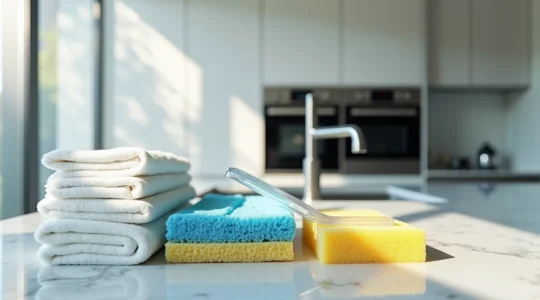
Scratch-Free Cleaning: How to Choose the Right Tools for High-Gloss and Stainless Steel Surfaces?
The belief that any soft cloth will protect your modern finishes is a costly myth; true surface care is about matching the tool’s hidden properties to the surface’s specific vulnerabilities. Most damage comes from “safe” tools like paper towels and…
Read more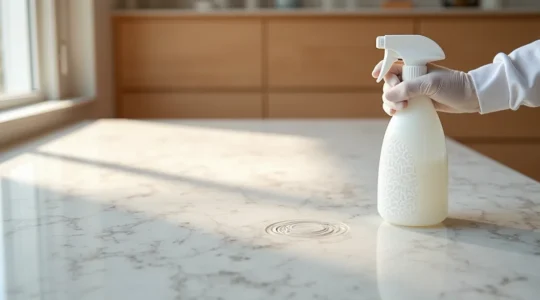
The Quiet Power of pH-Neutral Cleaners: A Chemist’s Guide to Preserving Stone and Wood
Using the wrong cleaner is not just “less effective”—it’s an act of molecular sabotage on your expensive stone and wood surfaces. Acidic cleaners (like vinegar) chemically etch calcium-based stones like marble and travertine on contact. Alkaline degreasers strip the protective…
Read more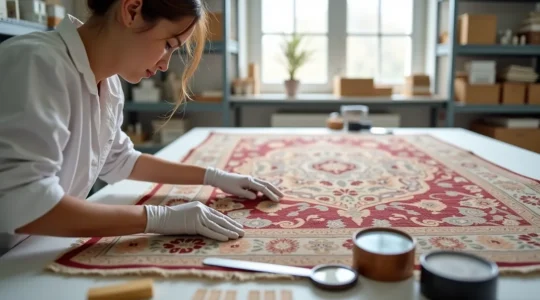
Preserving Heirloom Textiles: How to Clean Antique Rugs and Drapes Without Destroying Value?
The greatest threat to heirloom textiles is not dirt, but environmental damage and improper cleaning methods that cause irreversible decay. Effective preservation prioritizes controlling humidity and light over aggressive washing. Professional techniques, like the wet fastness test and suction-only vacuuming,…
Read more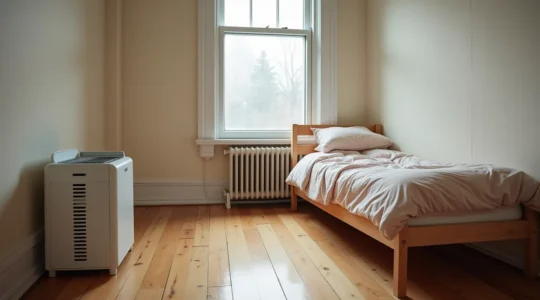
Reducing Indoor Allergens: What Works Best for Kids with Asthma in Older Montreal Homes?
To protect a child with asthma in an older Montreal home, you must treat the building as a complete system, not just clean its surfaces. The key is controlling hidden factors like humidity and air pressure, which are often the…
Read more
A Hygienist’s Guide: Safeguarding Your Home During the Quebec Thaw Without Harsh Chemicals
In summary: The Quebec spring thaw creates unique sanitation challenges (mold, allergens, water infiltration) that standard cleaning routines miss. A proactive, chemical-free approach focusing on moisture control, targeted disinfection, and air purification is essential for family health. Key actions include…
Read more