Specialized cleaning
When standard cleaning methods fall short, specialized cleaning becomes essential. From restoring century-old marble in heritage buildings to decontaminating trauma scenes or maintaining sensitive IT infrastructure, these advanced techniques require specific knowledge, equipment, and protocols that go far beyond regular janitorial services. Understanding when and why to call upon specialized cleaning expertise can mean the difference between preserving valuable assets and facing costly replacements or safety hazards.
In Quebec and across Canada, where harsh winters, industrial diversity, and stringent safety regulations create unique cleaning challenges, specialized approaches address problems that conventional methods simply cannot solve. This comprehensive resource explores the core disciplines within specialized cleaning, from surface restoration and protection to biohazard management, helping you understand which techniques apply to your specific situation and why expertise matters in these critical applications.
Why Specialized Cleaning Differs From Standard Cleaning
The fundamental distinction lies not just in the equipment used, but in the diagnostic expertise required before any work begins. A specialized cleaning professional must first identify the exact nature of the material, the type of contamination or wear, and the underlying causes of the problem. Think of it like medicine: a general practitioner can treat a cold, but complex conditions require specialists who understand the intricate systems at play.
Standard cleaning maintains surfaces in their current state, removing daily dirt and debris. Specialized cleaning, by contrast, actively restores, protects, or decontaminates surfaces that have deteriorated, been contaminated, or require preservation. This often involves:
- Chemical knowledge to avoid incompatibility reactions that could permanently damage materials
- Understanding of substrate composition to select appropriate methods and products
- Safety protocols for hazardous environments or materials
- Technical equipment operation requiring certification or specialized training
- Documentation and compliance with regulatory requirements
In industrial settings across Quebec’s manufacturing sector, for example, specialized cleaning addresses challenges like contaminated condensation in food processing plants or aerospace-grade degreasing that standard cleaning services are neither equipped nor certified to handle. The stakes are simply higher: equipment worth millions, production downtime, or even human safety depend on getting it right.
Surface Restoration and Protection Techniques
Among the most requested specialized services, surface restoration extends the lifespan of valuable flooring and finishes while avoiding the substantial expense of replacement. When marble lobbies lose their luster or terrazzo floors yellow with age, proper restoration can return them to near-original condition at a fraction of replacement cost.
Noble Materials and Floor Systems
Natural stone, terrazzo, and concrete floors represent significant investments that deserve professional care. The restoration process typically follows a systematic approach: stripping away deteriorated sealers, addressing the underlying material issues (etching, scratching, or staining), then resealing with appropriate products. The key challenge lies in accurate material diagnosis—applying granite treatment to limestone, for instance, can cause irreversible damage.
Floor stripping and polishing involves multiple stages, with each coat of finish building upon the previous. Canadian facilities often face accelerated wear during winter months when salt, sand, and moisture create aggressive conditions. The number of finish coats matters significantly: too few leave floors vulnerable, while excessive layers create a buildup that yellows and cracks. Proper rinsing between applications prevents the most common failure point, where residual stripper compromises the bond of new finish.
Vinyl and Specialty Surfaces
Modern vinyl flooring systems, popular in healthcare and educational facilities throughout Quebec, require surface-specific protection protocols. Not all vinyl responds identically to sealers—luxury vinyl tile (LVT), sheet vinyl, and vinyl composition tile (VCT) each demand different approaches. Product incompatibility remains a leading cause of premature failure, creating clouding, peeling, or discoloration.
The choice between matte and gloss finishes extends beyond aesthetics. Matte finishes hide scuffs better in high-traffic areas but may require more frequent reapplication, while gloss finishes offer superior durability but show every mark. Drying time considerations become critical in occupied buildings—rushing this phase leads to tracking, imprinting, and finish failure that necessitates complete stripping and reapplication.
Deep Cleaning Methods for Textiles and Delicate Materials
When surface cleaning proves insufficient, specialized deep cleaning techniques penetrate materials to address embedded contamination while preserving the integrity of sensitive substrates.
Steam Cleaning Technology
Professional steam cleaning differs dramatically from rental equipment available to consumers. Commercial systems generate high-temperature, low-moisture vapor that sanitizes while minimizing water exposure—crucial for materials sensitive to saturation. The technology excels at textile deep maintenance, from office carpeting to upholstered furniture in heritage buildings where traditional wet extraction would risk damage.
Water temperature control proves critical: too hot damages certain fibers, while insufficient heat fails to break down oils and proteins that cause recurring stains. That phenomenon of spots reappearing days after cleaning typically indicates incomplete extraction or wicking from the backing—problems that proper technique and rapid drying methodology prevent. Professional services employ air movers and dehumidification to achieve dry times under six hours, preventing mold growth and allowing faster return to service.
Handling Sensitive Materials
Delicate materials—from museum artifacts to pharmaceutical cleanrooms—demand gentle cleaning methods that remove contamination without causing degradation. Chemical damage ranks among the most common and irreversible errors, occurring when harsh alkaline or acidic cleaners interact with vulnerable substrates like silk, aged wood, or certain plastics.
Emerging laser cleaning technology offers a contact-free alternative for specific applications, using focused light to ablate contamination without mechanical abrasion or chemical exposure. For moisture-sensitive materials, humidity control during and after cleaning prevents dimensional changes, warping, or structural weakening. The frequency of cleaning matters as much as the method—overzealous maintenance can wear materials faster than appropriate intervals of benign neglect.
Industrial and High-Risk Environment Cleaning
Facilities with operational constraints, contamination risks, or specialized equipment require cleaning approaches that standard commercial services cannot safely or effectively provide.
Manufacturing Facilities and Height Work
Industrial environments present unique challenges that demand adaptation to local constraints. In Quebec’s manufacturing sector, contaminated condensation in facilities processing food, chemicals, or pharmaceuticals creates cleaning scenarios where improper wastewater management leads to environmental violations and significant fines. Specialized industrial cleaning integrates wastewater capture, treatment, or proper disposal as integral steps.
Cleaning at height—overhead conveyors, ductwork, or structural elements—requires both access equipment expertise and proper degreasing product selection. The comparison between different degreasers involves balancing effectiveness, worker safety, environmental impact, and material compatibility. Solvent-based products may work faster but create vapor hazards in enclosed spaces, while biodegradable alternatives require longer dwell times but align with increasingly stringent environmental regulations.
Machine safety optimization during cleaning operations prevents the incidents that occur when equipment unexpectedly starts or lockout/tagout procedures fail. These protocols become even more critical during maintenance windows where production pressure creates incentives to cut corners.
Biohazard and Trauma Scene Management
Perhaps the most specialized cleaning discipline, biohazard and trauma scene remediation addresses invisible risks that persist long after visible contamination disappears. Bloodborne pathogens, bodily fluids, and decomposition products create health hazards requiring specific protocols, personal protective equipment, and waste classification knowledge.
Proper PPE methodology goes beyond simply wearing equipment—donning and doffing sequences prevent self-contamination, while respiratory protection selections depend on airborne risk assessment. Waste streams must be correctly classified (in Canada, typically as biomedical waste requiring specialized disposal) since improper categorization violates regulations and endangers waste handlers.
The psychological dimension of this work cannot be overlooked. Technicians require both mental preparation and support, while clients benefit from compassionate, discreet service during traumatic circumstances. Response time optimization recognizes that delayed remediation allows biological hazards to worsen and psychological trauma to deepen—rapid deployment makes both practical and humanitarian sense.
Technical Infrastructure and Post-Construction Cleaning
Two specialized applications deserve particular attention for their technical demands and economic impact: IT infrastructure maintenance and post-construction final cleaning.
Data centers and server rooms represent critical infrastructure where cleaning mistakes can trigger catastrophic failures. Dust accumulation causes overheating and shorts circuits, yet conventional cleaning methods risk static discharge that damages sensitive electronics. Anti-static cleaning protocols, specialized vacuum filtration, and chemical-free methodologies protect equipment worth millions while maintaining the environmental controls these spaces require. Cleaning frequency comparisons for IT spaces balance preventive maintenance benefits against access disruption—quarterly deep cleaning typically provides optimal protection without excessive operational interference.
Post-construction cleaning transforms job sites into occupiable spaces, but persistent dust infiltrates every gap and surface despite containment efforts. HEPA filtration systems become essential for final cleaning, capturing fine particulate that standard equipment recirculates. The methodology extends beyond floors to include duct protection verification (ensuring construction debris hasn’t compromised HVAC systems), fixture detailing, and the systematic removal of labels, films, and installation residue.
Calendar coordination with project delivery schedules creates pressure, but rushing final cleaning compromises results and may delay occupancy when punch-list items multiply. Different floor cleaning methods apply depending on the surface—sealed concrete demands different approaches than newly installed hardwood or freshly grouted tile.
Understanding the breadth of specialized cleaning applications empowers better decision-making about when expertise truly matters and which specific discipline addresses your situation. While costs exceed standard cleaning rates, the value proposition lies in asset preservation, safety assurance, and problem resolution that generalist approaches cannot deliver. Each specialized cleaning field represents years of accumulated knowledge, purpose-built equipment, and refined techniques developed to solve specific challenges—resources worth leveraging when the stakes justify professional intervention.
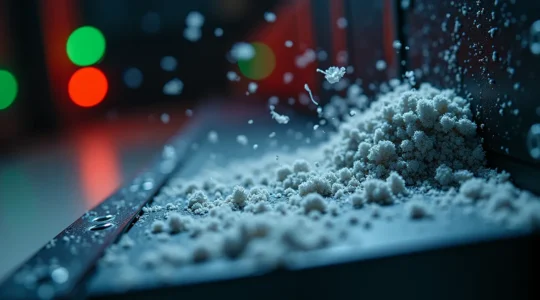
Why Dust Micro-Particles Are the #1 Cause of Server Overheating in Montreal Data Centers?
The greatest threat to your Montreal data center isn’t visible dust, but a range of microscopic, environment-specific contaminants that standard cleaning protocols miss. Zinc whiskers and salt residues cause silent, catastrophic short circuits, not just overheating. Improper procedures, even with…
Read more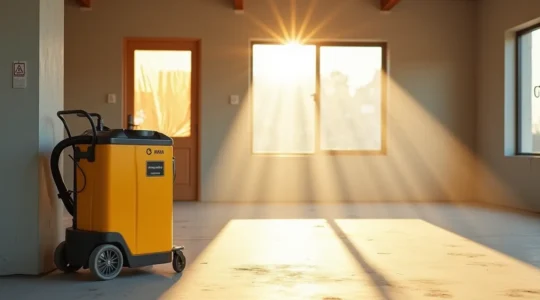
Removing Silica Dust: How to Ensure Air Quality Before Occupancy After a Renovation?
Delivering a truly clean and safe post-renovation site goes beyond simple vacuuming; it requires managing the physics of invisible silica dust to avoid client complaints and liability. Standard cleaning methods often fail by making ultra-fine dust airborne again, leading to…
Read more
Managing Biohazards: What Are Your Legal Cleaning Obligations After a Workplace Accident in Quebec?
After a workplace accident involving blood, your biggest liability isn’t the mess—it’s the assumption that your regular staff can legally and safely clean it. In Quebec, blood is a regulated biohazard, not general waste. Its cleanup is governed by strict…
Read more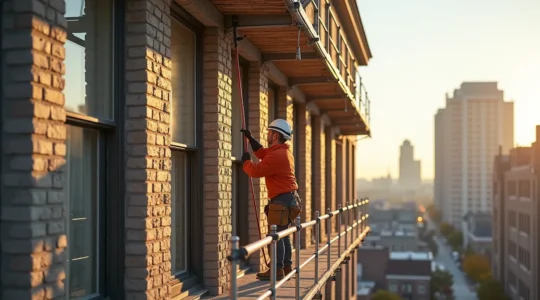
Cleaning Heritage Surfaces: How to Preserve Quebec’s Historic Architecture Without Damage?
The greatest risk to Quebec’s heritage architecture isn’t neglect, but well-intentioned cleaning that causes irreversible harm. Aggressive methods like high-pressure washing inject moisture and mold deep into historic materials. Ignoring a cleaner’s pH balance chemically burns delicate surfaces like bronze…
Read more
Adapting Cleaning Protocols for Industrial Spaces with High Humidity Levels in Quebec
In Quebec’s high-humidity industrial environments, effective cleaning is not a series of tasks but a systemic contamination control strategy that directly impacts food safety, operational efficiency, and environmental compliance. Condensation is a primary vector for pathogens, making humidity control a…
Read more
Beyond the Shine: Why Your Vinyl Floors Are Yellowing and the Quebec-Specific Fix
The persistent yellowing of your facility’s vinyl floors is not a simple product failure; it’s a chemical breakdown accelerated by modern flooring materials and specific Quebec environmental factors. “Universal” acrylic waxes often react negatively with the factory-applied urethane coatings on…
Read more
Strategic Floor Stripping: A Retailer’s Guide to Zero-Downtime Maintenance in Quebec
The key to zero-downtime floor stripping in Quebec retail is not just working overnight, but executing a planned operation of environmental control and chemical precision. Timing must account for winter conditions, which accelerate floor degradation and complicate ventilation. The number…
Read more
Steam Cleaning vs Shampooing: Which Method Extends Carpet Life in High-Traffic Zones?
For Quebec facility managers, professional hot water extraction (steam cleaning) is not just a deeper clean; it’s a superior asset protection strategy that actively neutralizes corrosive road salt and prevents the long-term fibre damage that shampooing can cause. Hot water…
Read more
Restoring vs Replacing: Which Option Saves Property Managers More Money over 5 Years?
Over a 5-year horizon in Quebec, a strategic restoration program consistently delivers a lower Total Cost of Ownership (TCO) and higher ROI than a reactive replacement strategy. Proactive restoration prevents minor issues like micro-scratches from escalating into irreversible damage, avoiding…
Read more