In summary:
- Proactive maintenance timed with Quebec’s seasons prevents costly damage from ice dams, salt corrosion, and moisture.
- Focus on exterior tasks before winter (gutters, drains, sealing surfaces) and interior deep cleans in summer.
- Certain weather events, like heavy snowfall, should trigger specific cleaning and inspection routines.
- Following a strategic calendar isn’t just about cleanliness; it’s about protecting your property’s value against the harsh climate.
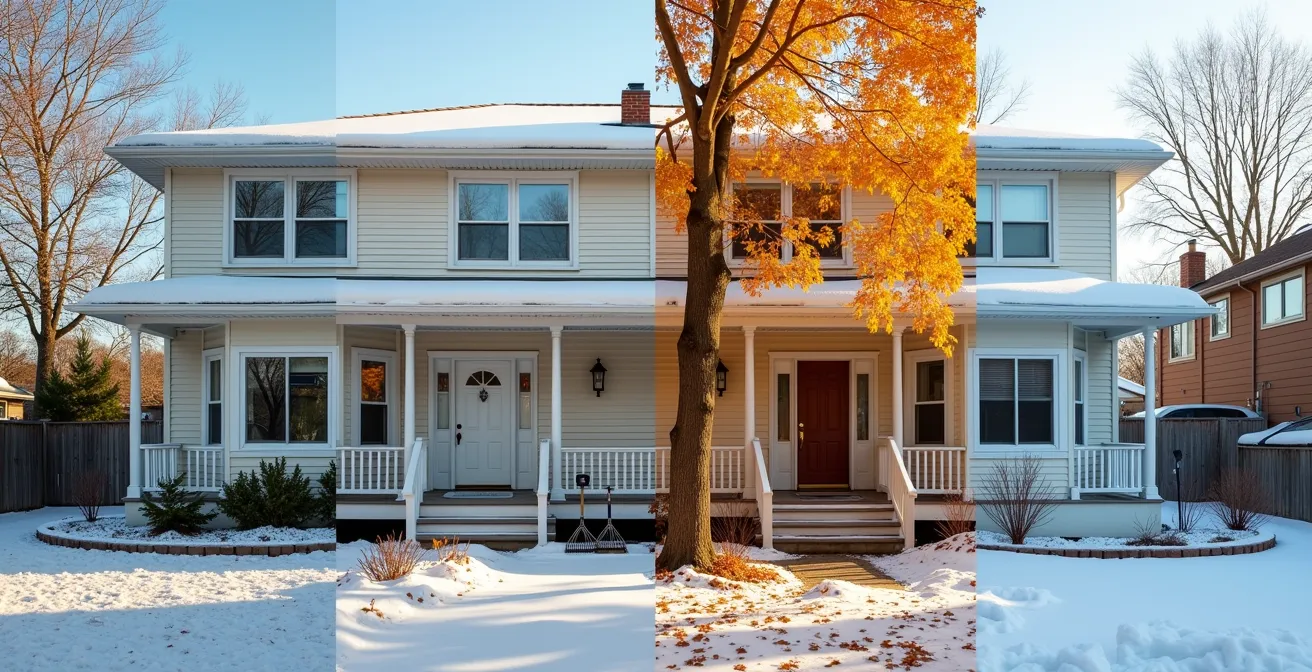
Owning a home in Quebec is a dream, but it comes with a unique challenge: the weather. For a new homeowner, the shifting demands of four distinct and intense seasons can feel overwhelming. You’re not just fighting dust; you’re battling ice dams, corrosive road salt, and deep-seated humidity. Many homeowners fall into the trap of following generic cleaning checklists that are ill-suited for the realities of our climate, focusing on simple tidying while ignoring the critical tasks that prevent thousands of dollars in damages.
The standard advice to “prepare for winter” or “do a spring clean” is dangerously vague here. The truth is that in Quebec, home maintenance is a form of asset protection, and its effectiveness depends entirely on timing. It’s a preventive choreography dictated by temperature drops, thaw cycles, and snowfall. But what if the key wasn’t just working harder, but working smarter by understanding the *why* behind the *when*? What if you could move from a reactive state of panic to a proactive position of control?
This guide provides that strategic advantage. We will move beyond a simple chore list to build a 4-season maintenance calendar designed specifically for the Quebec homeowner. By focusing on climate-driven priorities, you’ll learn not only what to do, but precisely when to do it to protect your investment, prevent costly repairs, and truly enjoy your home through every season.
To help you navigate these crucial tasks, we’ve structured this guide around the key questions every Quebec homeowner faces throughout the year. The following summary outlines the strategic maintenance you’ll need to master.
Summary: A Strategic Home Maintenance Calendar for Quebec’s Climate
- Why Scheduling Gutter Cleaning Before the Spring Thaw Is Crucial?
- How to Prepare Your Garage Floor to Resist Salt Damage Before December?
- Windows or Carpets: What Should You Prioritize Cleaning in Early Summer?
- The Leaf Removal Mistake That Leads to Frozen Drains in November
- How to Store Patio Furniture to Prevent Mold During a Long Winter?
- When to Increase Cleaning Frequency: The 3 Critical Snowfall Thresholds
- How Do Clogged Gutters Contribute to Ice Formation Under Shingles?
- Why Neglecting Exterior Maintenance Devalues Your Montreal Property by up to 15%?
Why Scheduling Gutter Cleaning Before the Spring Thaw Is Crucial?
The first signs of spring in Quebec bring a collective sigh of relief, but for a homeowner, this is a period of high alert. The rapid melting of snow, known as the spring thaw, can turn from a welcome event into a costly disaster if your gutters are clogged. When water from the melting roof has nowhere to go, it backs up, seeps under shingles, and can leak into your attic, ceilings, and walls. This isn’t just a water stain; it’s the perfect recipe for wood rot and mold growth.
The critical error is waiting until you see a problem. Gutter cleaning is a preventive task, not a reactive one. While a late-fall cleaning is essential, a late-winter or early-spring inspection is just as vital in Quebec. Ice and wind can deposit debris in your gutters throughout the winter. Ensuring they are clear before the major thaw begins is the single most important step to manage the immense volume of meltwater. This simple action protects your foundation from oversaturation and your roof from the destructive power of trapped water.
Think of your gutters as the primary arteries of your home’s water management system. If they are blocked during the most intense flow of the year, the pressure will cause damage at the weakest points. Scheduling this task for late March or early April, just as temperatures consistently rise above freezing, is a non-negotiable part of Quebec homeownership.
How to Prepare Your Garage Floor to Resist Salt Damage Before December?
As winter approaches, the “salt and ice onslaught” becomes a major threat to your property, and nowhere is this more evident than on your garage floor. Every time you park your car, you bring in a corrosive mixture of snow, ice, and de-icing salt. This slush melts and pools, allowing chlorides to penetrate the porous concrete. Over a single winter, this process can cause significant damage, leading to spalling (flaking), cracking, and pitting. It’s not just an aesthetic issue; it compromises the structural integrity of the concrete slab.
The key is proactive protection before the first snowfall, ideally in October or November. Untreated concrete is like a sponge for salt. Applying a high-quality sealant creates an impermeable barrier. Research from winter-climate specialists highlights a critical chemical reaction: de-icing agents can form calcium oxychloride (CAOXY) crystals inside concrete, which expand and cause fractures. It has been shown that using the right protection can make a huge difference, with some methods reporting 80% less visible salt damage compared to untreated floors. This simple preventive measure saves you from expensive repairs down the line.
Choosing the right sealant depends on your needs and budget. Options range from basic repellents to heavy-duty epoxy or polyaspartic coatings that offer long-term chemical resistance. Investing a weekend in the fall to clean and seal your garage floor is a direct investment in preserving your home’s foundation and value.
The following table, based on an analysis of concrete protection methods, compares common sealant types to help you choose the best defense for your garage.
| Sealant Type | Protection Level | Durability | Best For |
|---|---|---|---|
| Silane/Siloxane | Water & salt repellent | 3-5 years | Basic protection |
| Siliconate | Densifies + repels | 5-7 years | Best for bare concrete |
| Epoxy | Excellent chemical resistance | 10+ years | Heavy-duty protection |
| Polyaspartic | Superior UV stability | 15+ years | Fast application needs |
Windows or Carpets: What Should You Prioritize Cleaning in Early Summer?
After a long Quebec winter, the desire to refresh the entire home is strong. But with limited time, a strategic choice must be made. In early summer, should you prioritize deep-cleaning the carpets or washing the windows? From an experienced property manager’s perspective, the answer depends on prioritizing health and well-being. The clear winner is deep-cleaning your carpets.
Throughout the winter, your home is sealed tight. Carpets act as a giant filter, trapping months of dust, allergens, pet dander, and pollutants. With the arrival of summer humidity, these trapped particles can create an environment ripe for dust mites and mold, negatively impacting indoor air quality. A deep steam-clean in early June removes these contaminants, creating a healthier living space just as allergy season peaks. It’s a health-focused task first and a cosmetic one second.

Window cleaning, while satisfying, is more of an aesthetic and mood-enhancing task. It lets in that glorious summer sun and improves your home’s curb appeal. However, summer rain can quickly undo your hard work. A good strategy is to tackle the carpets first to improve your indoor environment, then clean the windows a few weeks later to fully embrace the season. As one local expert puts it, this kind of seasonal task is more than a simple chore. An expert from Cleaning Montreal Residential Services aptly states:
In Quebec, where the changing seasons can bring about unique cleaning challenges, deep cleaning becomes not just a luxury but a necessity
– Montreal Cleaning Services Expert, Cleaning Montreal Residential Services
The Leaf Removal Mistake That Leads to Frozen Drains in November
In Quebec, November is the “freeze/thaw vulnerability window.” Temperatures hover around the freezing mark, creating a dangerous cycle of melting and refreezing. The most common and costly mistake homeowners make during this month is incomplete leaf removal. Most people focus on the lawn but neglect critical drainage points: window wells, exterior basement stairwells, and, most importantly, French drain outlets.
When autumn leaves clog these areas, they become a soggy, dense mass. As temperatures drop, this mass freezes solid, effectively blocking all drainage. A sudden mild spell or heavy rain, common in late Quebec falls, then has nowhere to go. Water pools against your foundation or windows, creating immense hydrostatic pressure and significantly increasing the risk of basement leaks or flooding. A single clogged drain can lead to thousands of dollars in water damage.
The solution is a multi-step “preventive choreography” throughout the fall, with a final critical sweep before the ground freezes solid. Don’t just rake your lawn; meticulously clear all drainage points. Ensure a two-foot clearance around any visible drain outlets. This isn’t just about being tidy; it’s about ensuring your home can shed water effectively during the most unpredictable time of the year. A final inspection after the last leaves have fallen is your best insurance against a winter water disaster.
Your November Drainage Protection Timeline
- Early November: Clear all leaves from window wells and exterior basement stairwells.
- Mid-November: Clean French drain outlets and ensure a 2-foot clearance around them.
- Before first sub-zero forecast: Final inspection of all drainage points and apply preventive measures.
- Weekly monitoring: Check critical drainage areas after each significant leaf fall or rain event.
How to Store Patio Furniture to Prevent Mold During a Long Winter?
Putting away patio furniture for the winter in Quebec is more than just dragging it into the shed. The combination of a long storage period, fluctuating temperatures, and trapped humidity creates the perfect breeding ground for mold and mildew on cushions and wood frames. Come spring, you could be greeted by a musty, stained, and potentially ruined set. The mistake is thinking that “out of sight, out of mind” is a viable strategy.
The professional approach is the “Bone-Dry Principle.” This means the furniture must be completely clean and completely dry before it’s covered or stored. The ideal time for this task is a sunny, low-humidity day in early October. First, clean all surfaces thoroughly. Then, allow at least 24 hours of drying time in the open air. Storage experts have found that using this method can dramatically reduce problems, with techniques like vacuum-sealing showing a 90% reduction in cushion mold risk compared to simple plastic wrapping.
Once dry, the second step is ensuring proper air circulation during storage. Avoid wrapping furniture tightly in plastic tarps, which trap moisture. Instead, use breathable covers. Elevate all pieces off the concrete floor of a shed or garage using wood blocks or pallets. This prevents moisture from wicking up from the floor. As one Montreal homeowner discovered, this makes all the difference.
After years of finding moldy patio cushions each spring, I started following the early October cleaning routine with proper elevation storage. Using wood blocks to raise furniture 4 inches off my shed floor and breathable covers instead of plastic has completely eliminated mold issues through Quebec’s long winters.
– Montreal Homeowner, as featured on Clark Influence
When to Increase Cleaning Frequency: The 3 Critical Snowfall Thresholds
In a Quebec winter, not all snowfalls are created equal. A light dusting is a picturesque moment, while a major storm is a call to action. To manage your home effectively without burning out, it’s helpful to think in terms of “critical snowfall thresholds.” These are accumulation levels that should automatically trigger specific maintenance and cleaning routines. This approach transforms your response from a vague “I should shovel” to a precise, climate-driven action plan.
These thresholds are based on the potential for damage or major inconvenience. Here are three to integrate into your winter strategy:
- The 5 cm (2-inch) Threshold: The Salt & Slush Trigger. Even a small accumulation brings out the salt trucks. This is the point to increase the frequency of mopping entryways and wiping down floors to prevent salt from being tracked through the house and damaging surfaces. Place absorbent mats both inside and outside all entry doors.
- The 15 cm (6-inch) Threshold: The Ice Dam Risk Trigger. According to roofing experts, snowfalls exceeding this level significantly increase the weight on your roof and the potential for ice dam formation. This is your cue to use a roof rake to clear the first 3-4 feet of snow from your roof’s edge, relieving pressure and preventing meltwater from backing up.
- The 30 cm (12-inch) Threshold: The System Obstruction Trigger. A major storm of this size can bury critical infrastructure. Your priority is to clear snow away from your furnace intake/exhaust pipes, your dryer vent, and your gas meter to ensure they function safely and efficiently. Blocked vents can lead to dangerous carbon monoxide buildup.
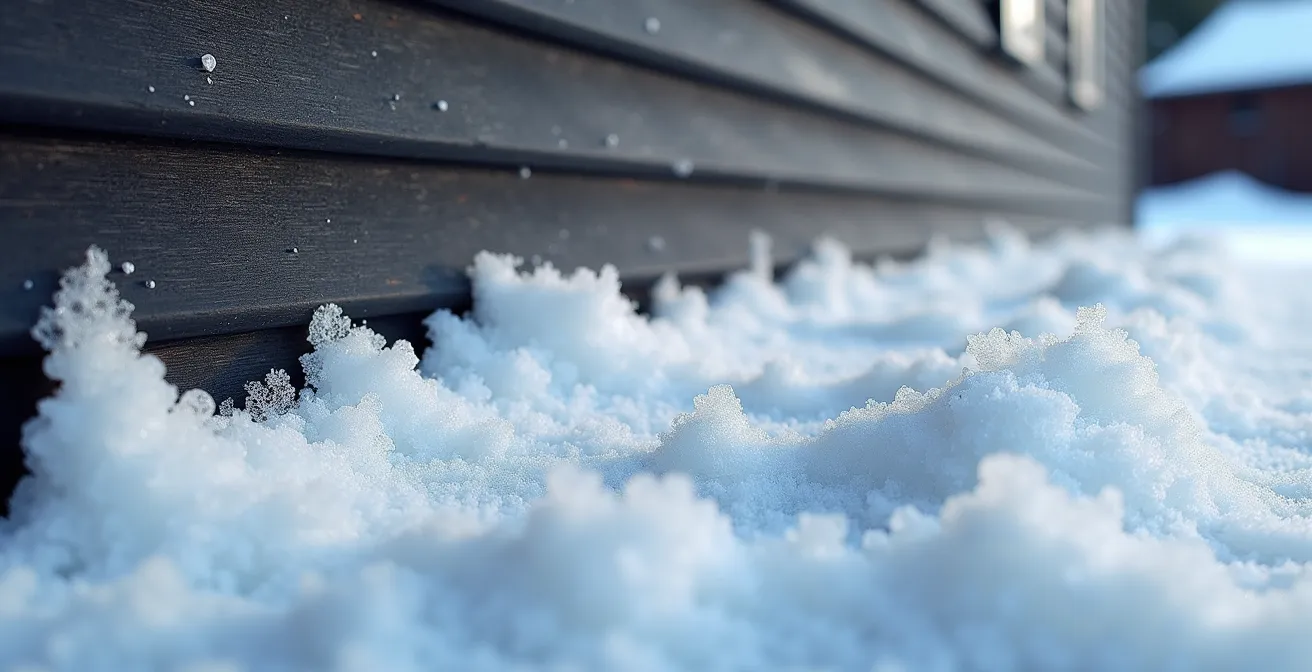
By using these thresholds, you link your cleaning efforts directly to the severity of the weather, ensuring you’re acting when it matters most. It’s a smart way to manage the relentless nature of a Quebec winter.
How Do Clogged Gutters Contribute to Ice Formation Under Shingles?
The term “ice dam” is familiar to most Quebec homeowners, but many don’t understand the precise chain reaction that causes them. A common misconception is that gutters cause ice dams. In reality, clogged gutters are the final, catastrophic failure point in a process that starts inside your attic. The root cause is heat loss from your home escaping through the roof.
Here’s the step-by-step process: First, warm air leaks from your living space into the cold attic. This heat warms the underside of the roof deck, causing the bottom layer of snow on your roof to melt, even when the outside air is well below freezing. This meltwater runs down the roof until it reaches the cold eaves (the roof’s overhang), which are not heated from below. There, it refreezes, creating a small ridge of ice. Debris-clogged gutters prevent this initial ice and water from draining away, accelerating the process. This ridge grows with each freeze/thaw cycle, forming a “dam” that traps all subsequent meltwater behind it. This trapped pool of water then refreezes and expands, forcing its way up under the shingles and into your home.
Canadian roofing specialists confirm that homes in cold climates with clean gutters and proper attic insulation see significantly fewer problems. Assessments show that such homes experience 75% fewer ice dam incidents. Therefore, preventing ice dams isn’t just about cleaning gutters; it’s a holistic approach to managing your home’s thermal envelope.
Action Plan: The 4-Step Ice Dam Root Cause Prevention
- Identify air leaks in the attic using thermal imaging or smoke tests, focusing on light fixtures and chimney areas.
- Seal all identified gaps with expanding foam to prevent warm air from reaching the roof deck.
- Upgrade attic insulation to the R-50 minimum, the standard for Quebec, using a material like blown cellulose to create a consistent thermal barrier.
- Ensure you have proper soffit and ridge ventilation to maintain a cold roof temperature, allowing any stray heat to escape.
Key takeaways
- Seasonal timing is everything: Proactive maintenance before a season starts (e.g., sealing garage in fall) prevents damage.
- Focus on the “why”: Cleaning isn’t just cosmetic; it’s asset protection against salt, water, and mold.
- Exterior first: Neglecting gutters, drains, and siding leads to the most expensive repairs and devalues your home.
Why Neglecting Exterior Maintenance Devalues Your Montreal Property by up to 15%?
For many homeowners, “cleaning” is an indoor activity. But in a city with a climate as demanding as Montreal’s, it’s the neglect of the exterior that does the most financial damage. Peeling paint, clogged gutters, cracked walkways, and crumbling brickwork aren’t just eyesores; they are red flags to potential buyers and appraisers, signalling deferred maintenance and future expenses. This visible neglect can have a direct and significant impact on your home’s market price.
The connection between curb appeal and property value is well-documented. A well-maintained exterior suggests that the entire property has been cared for, building buyer confidence. Conversely, a shabby exterior creates immediate doubt. According to home inspection reports, this can be quantified, showing that visible exterior neglect can reduce a Montreal property’s value by up to 15%. This devaluation often far exceeds the actual cost of the repairs, making preventive maintenance one of the best returns on investment a homeowner can make.
In Montreal, specific housing types have their own vulnerabilities. The historic triplexes of the Plateau are prone to brick-pointing issues, while West Island bungalows may face foundation drainage challenges. All homes, however, are susceptible to damage from roof neglect and the corrosive effects of road salt on walkways and driveways. Addressing these issues systematically not only preserves your home but actively protects its financial value.
This table outlines maintenance priorities for typical Montreal housing, highlighting the potential financial impact of neglect, based on an analysis from local large-scale cleaning experts.
| Housing Type | Critical Maintenance | Value Impact if Neglected | Repair Cost Range |
|---|---|---|---|
| Plateau Triplex | Brick repointing | -5% | $3,000-$8,000 |
| West Island Bungalow | Foundation drainage | -4% | $2,500-$6,000 |
| Typical Montreal Home | Roof/gutter maintenance | -3% | $1,500-$4,000 |
| All Types | Salt-damaged walkways | -3% | $1,000-$3,000 |
By adopting this strategic, climate-driven approach to home maintenance, you are no longer just cleaning; you are actively managing and protecting your most significant financial asset. The time and effort invested are returned tenfold in avoided repair costs and preserved property value.